
Tool Management Strategies for Efficient Production?
I've been managing carbide burr[^1] production for years at Joint Carbide. I still remember the chaos we faced in 2016 when our tool inventory was a mess. We lost thousands of dollars in wasted time and damaged products. That changed everything for us.
Effective tool management combines inventory control, maintenance schedules, and employee training to reduce downtime and maximize production efficiency. At Joint Carbide, these strategies helped us increase our daily output from 15,000 to 30,000 carbide burrs while cutting waste by 40%.
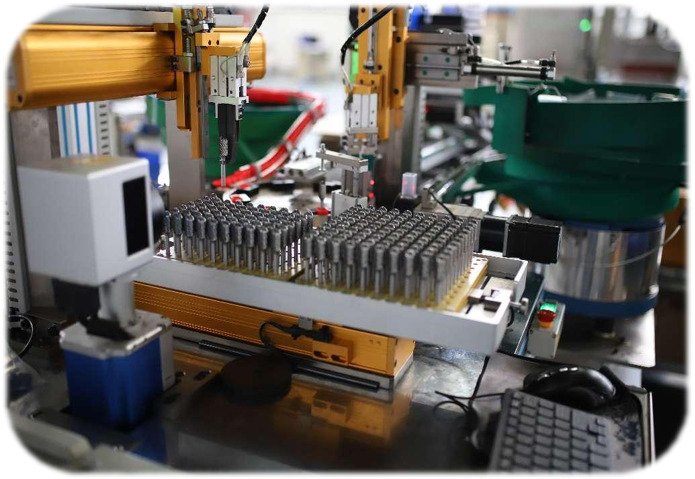
Let me share what we learned. These strategies transformed our production floor. They can work for any manufacturing operation that relies on precision tools.
Why Does Tool Inventory Control Matter for Production?
Our production stopped three times in one week back in 2017. Each time, we ran out of critical cutting tools. The cost was enormous. We couldn't afford to let that happen again.
Tool inventory control prevents production delays by ensuring the right tools are available when needed.[^2] It tracks tool usage patterns, predicts replacement needs, and maintains optimal stock levels to keep production lines running smoothly.
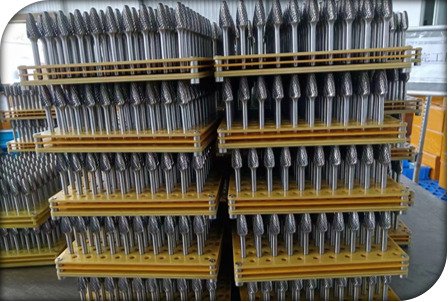
We implemented a simple tracking system first. Every tool got a barcode. Workers scanned tools when they took them and when they returned them. This gave us real data about tool usage.
The results surprised us. We discovered that 30% of our tools sat unused. Meanwhile, we constantly ran short on specific carbide burr sizes. We were ordering the wrong quantities of everything.
| Inventory Control Method | Benefits | Implementation Difficulty |
|---|---|---|
| Manual Log Books | Low cost, simple to start | High error rate, time-consuming |
| Barcode Scanning | Moderate cost, accurate tracking | Medium learning curve |
| RFID Systems | Real-time data, automated | High initial investment |
| Software Integration | Complete visibility, predictive analytics | Requires training and setup |
We moved to a software system in 2019. It connected our tool cribs with our production scheduling system. Now our system automatically orders replacement tools before we run out. Our stockouts dropped to almost zero.
The software also showed us which tools wore out fastest. For carbide burrs processing stainless steel, we needed replacements every 200 pieces. For aluminum work, the same burrs lasted 500 pieces. We adjusted our inventory based on our production schedule.
How Can Preventive Maintenance Extend Tool Life?
I walked past a workstation one day and heard a strange grinding noise. The operator ignored it. Three hours later, that carbide burr shattered. It damaged the workpiece and could have injured someone. We needed a better approach.
Preventive maintenance extends tool life by 30-50% through regular inspections, proper cleaning, and timely reconditioning[^3] before tools fail catastrophically. This approach reduces unexpected breakdowns and maintains consistent product quality.
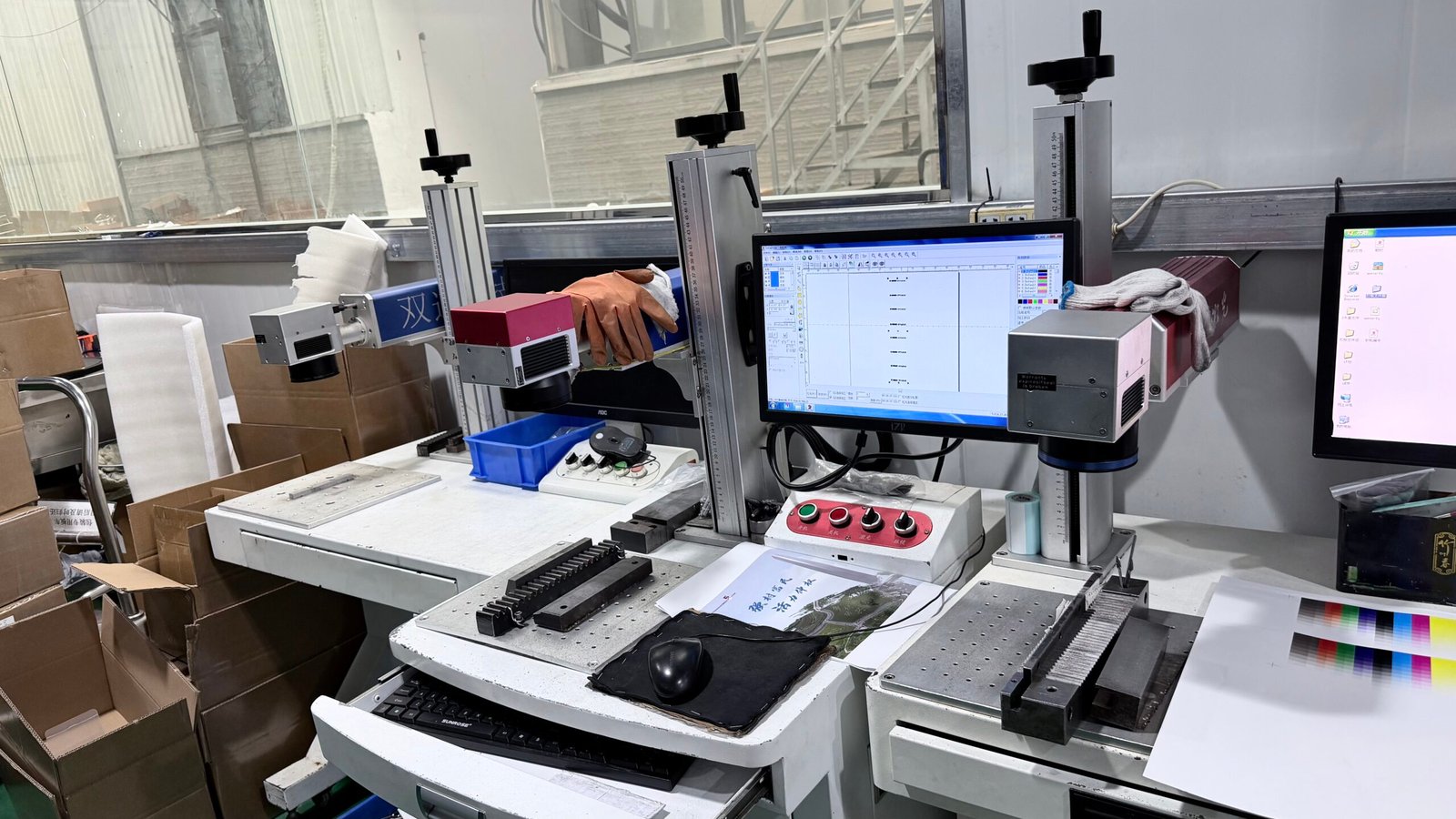
We created a maintenance schedule for every tool type. Carbide burrs get inspected every 50 pieces. We check for wear on the cutting edges. We measure the diameter to track wear progression. If wear exceeds 0.1mm, we retire the tool.
Our maintenance process has five key steps. First, we clean each tool thoroughly after use. Carbide burrs accumulate material buildup that affects cutting performance. Second, we inspect for cracks or chips using magnification. Third, we measure critical dimensions. Fourth, we test cutting performance on sample materials. Fifth, we document everything in our system.
| Maintenance Activity | Frequency | Time Required | Impact on Tool Life |
|---|---|---|---|
| Visual Inspection | After each use | 30 seconds | Prevents catastrophic failure |
| Deep Cleaning | Every 50 pieces | 5 minutes | Extends life by 15% |
| Dimension Measurement | Every 100 pieces | 3 minutes | Maintains quality standards |
| Performance Testing | Every 200 pieces | 10 minutes | Predicts replacement timing |
| Complete Reconditioning | As needed | 30 minutes | Can restore 80% of tool life |
The documentation proved crucial. We track each tool's history. We know exactly how many pieces each carbide burr processed. We see patterns in wear rates. Some operators are harder on tools than others. This data helps us provide targeted training.
We also learned about proper storage. Tools left in humid conditions corroded faster. We installed dehumidifiers in our tool cribs. We organized tools by type and size. Easy access reduced handling damage. These simple changes added weeks to tool life.
What Role Does Employee Training Play in Tool Management?
Our newest operator once installed a double cut carbide burr backwards. He didn't know better. The tool lasted ten minutes instead of processing 200 pieces. That mistake cost us money and production time.
Employee training reduces tool-related errors by 60% and improves both safety and productivity.[^4] Well-trained workers understand proper tool selection, installation, operation, and maintenance procedures that maximize tool performance and lifespan.
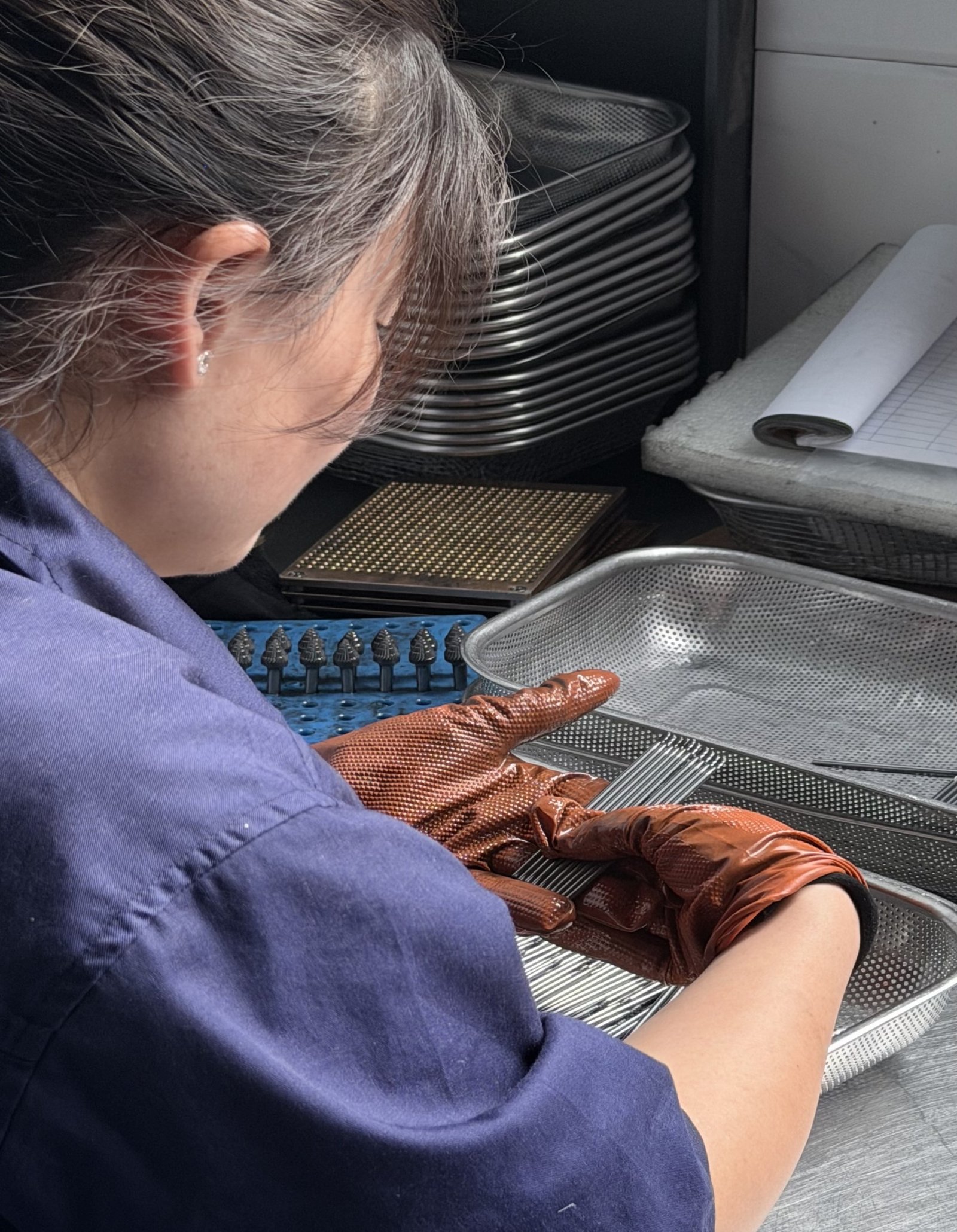
We developed a comprehensive training program. Every new operator spends two days learning about tools before they touch a machine. They learn to identify different carbide burr types. They understand when to use double cut versus single cut. They know how to check tool condition before installation.
Our training covers the complete tool lifecycle. Operators learn proper handling techniques. They understand how different materials affect tool wear. They know the correct speeds and feeds for each tool type. They practice tool changes until they can do them safely and quickly.
| Training Component | Duration | Key Learning Objectives | Assessment Method |
|---|---|---|---|
| Tool Identification | 2 hours | Recognize all tool types and applications | Written test |
| Installation Procedures | 4 hours | Proper mounting and alignment techniques | Practical demonstration |
| Operating Parameters | 3 hours | Speed, feed, and depth of cut selection | Machine simulation |
| Maintenance Basics | 3 hours | Cleaning, inspection, and storage | Hands-on practice |
| Safety Protocols | 2 hours | Personal protective equipment and emergency procedures | Safety audit |
| Troubleshooting | 2 hours | Identify and resolve common problems | Problem-solving scenarios |
We hold monthly refresher sessions. These sessions address common mistakes we observe. We share data about tool performance across shifts. We recognize operators who achieve the best tool life. This creates friendly competition that drives improvement.
The training also covers cost awareness. Operators need to understand the value of the tools they use. A single carbide burr costs between $5 and $50 depending on size and type. When operators know this, they handle tools more carefully. They report problems earlier instead of pushing damaged tools to failure.
We created visual guides posted at every workstation. These quick-reference cards show proper tool orientation, speed settings, and warning signs of tool problems. Operators consult these guides constantly, especially when switching between different materials or operations.
How Does Tool Tracking Software Improve Efficiency?
We used to spend hours each month counting tools manually. The counts were always wrong. Tools disappeared. We over-ordered some items and ran short on others. Our tool crib looked like a disaster zone. Something had to change.
Tool tracking software provides real-time visibility into tool location, usage, and condition while automating reordering and reducing administrative time by 75%.[^5] The data it generates enables better decision-making and continuous process improvement.
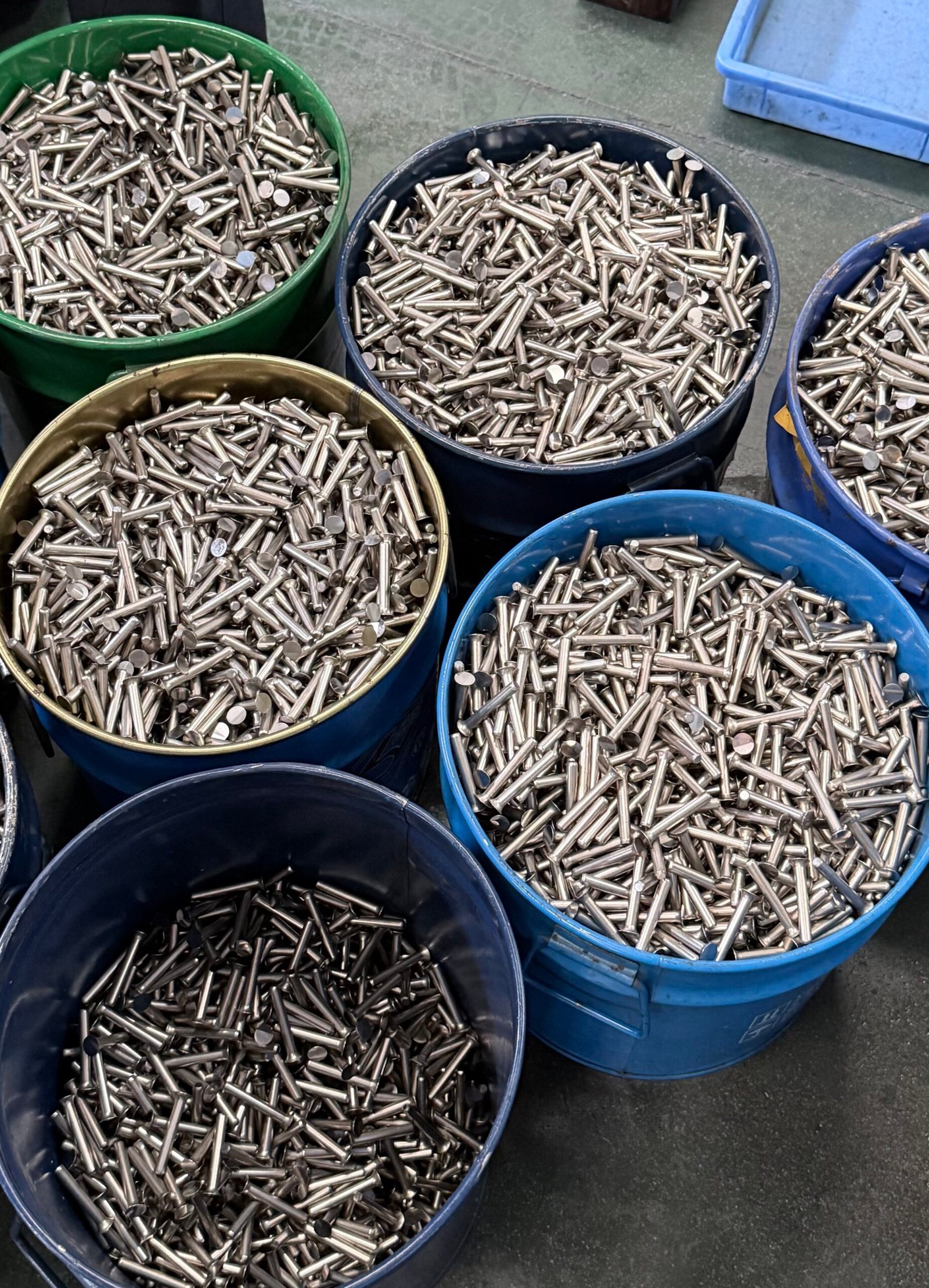
We implemented tool management software in 2019. The system connects to our production equipment through our network. It knows what tool is in each machine. It tracks how long each tool runs. It monitors the number of parts produced with each tool.
The software generates reports automatically. We see tool usage by shift, by operator, and by machine. We identify inefficiencies immediately. If one operator wears out tools twice as fast as others, we investigate. Usually it's a training issue or a machine calibration problem.
| Software Feature | Business Impact | ROI Timeline |
|---|---|---|
| Real-time Inventory Tracking | Eliminates stockouts and overstock | 3 months |
| Automated Reordering | Reduces administrative time by 80% | 2 months |
| Tool Life Analysis | Extends tool life by 25% through data-driven decisions | 6 months |
| Cost Allocation | Accurate job costing and profitability analysis | 4 months |
| Maintenance Scheduling | Reduces downtime by 40% | 5 months |
| Performance Dashboards | Identifies improvement opportunities | Ongoing |
The predictive analytics feature changed everything. The system learns tool wear patterns. It predicts when each tool will need replacement. It generates purchase orders automatically. Our procurement team approves orders instead of creating them from scratch. This saves them four hours every day.
We integrated the software with our production scheduling system. When a job requires specific carbide burrs, the system checks availability. It reserves those tools for the scheduled production time. It alerts us if we don't have enough tools to complete the job. This prevents us from starting jobs we can't finish.
The cost tracking features revealed surprising information. We thought our biggest tool expense was carbide burrs for stainless steel work. The data showed our aluminum cutting operations actually cost more due to higher replacement frequency. We adjusted our pricing for those jobs. We became more profitable without raising prices across the board.
The software also improved our relationship with suppliers like ourselves at Joint Carbide. We share usage forecasts with our customers. This helps them plan their inventory. We offer better pricing when customers can commit to predictable orders. The software makes these predictions accurate and reliable.
Which Tool Organization Methods Reduce Waste?
I once watched an operator search for a specific carbide burr size for fifteen minutes. He opened every drawer in the tool crib. He finally found it in the wrong location. That wasted time repeated dozens of times every day across our facility.
Systematic tool organization using shadow boards, color coding, and standardized locations reduces search time by 90%[^6] and prevents tool damage from improper storage. These methods also make it obvious when tools are missing or misplaced.

We reorganized our tool cribs using 5S methodology[^7]. We sorted all tools and eliminated duplicates and obsolete items. We set designated locations for every tool type. We created visual management systems so anyone could find any tool in seconds.
Shadow boards transformed our hand tool storage. We traced the outline of each tool on the board. The empty space shows immediately when a tool is missing. Operators return tools to their proper locations because it's obvious where they belong. Our tool loss rate dropped by 85% after installing shadow boards.
| Organization Method | Setup Cost | Maintenance Effort | Effectiveness |
|---|---|---|---|
| Shadow Boards | Low | Low | Excellent for hand tools |
| Color Coding | Very Low | Very Low | Good for quick identification |
| Labeled Drawers | Low | Medium | Good for small items |
| Tool Vending Machines | High | Low | Excellent for accountability |
| Mobile Tool Carts | Medium | Medium | Good for point-of-use storage |
| Vertical Storage Systems | High | Low | Excellent for space efficiency |
We implemented color coding for carbide burrs. Red labels indicate double cut burrs for stainless steel. Blue labels mark single cut burrs for cast iron. Green labels identify aluminum cut burrs. Yellow labels show special cut types. This system prevents operators from grabbing the wrong tool type.
We created point-of-use storage for frequently used tools. Each workstation has a small cabinet with the tools that operator uses most often. This eliminates trips to the central tool crib. Operators refill their cabinets during shift changes. This reduced our tool-related downtime by 30%.
We installed tool vending machines for our most expensive carbide burrs. Operators scan their ID cards to access tools. The machine tracks who took what tool and when. It reminds operators to return tools at shift end. This accountability virtually eliminated tool theft and loss. The machines paid for themselves in six months through reduced replacement costs.
How Do Quality Control Measures Prevent Tool-Related Defects?
A batch of 500 parts failed inspection last year. Every single piece had the same defect. We traced it back to a worn carbide burr that should have been replaced 100 pieces earlier. That mistake cost us $15,000 in scrapped materials and lost production time.
Quality control measures including regular tool inspections, sample part testing, and statistical process control catch tool-related problems before they create defects. This approach typically reduces defect rates by 70%[^8] and prevents costly scrap.
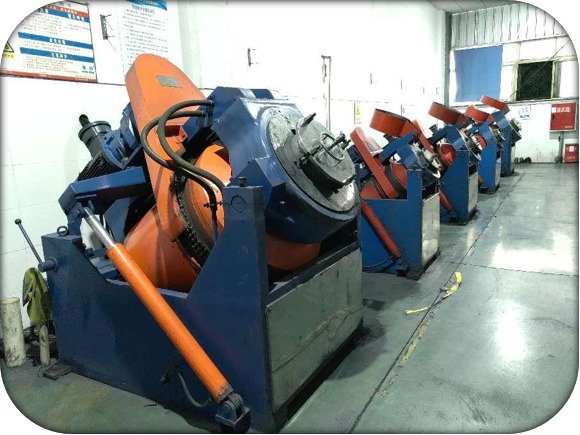
We implemented first-piece inspection protocols. Before starting any production run, operators process one piece and submit it for inspection. Quality control checks all critical dimensions. They verify surface finish. They confirm the tool is producing parts within specification. Production only continues after this approval.
We measure sample parts throughout production runs. For carbide burr operations, we check every 25th piece. We track dimension trends over time. When dimensions start drifting toward specification limits, we know the tool is wearing. We replace it before it creates out-of-specification parts.
| Quality Control Method | Inspection Frequency | Detection Rate | Implementation Cost |
|---|---|---|---|
| First-Piece Inspection | Start of each run | 95% of setup errors | Low |
| In-Process Sampling | Every 25 pieces | 85% of tool wear issues | Low |
| Statistical Process Control | Continuous | 90% of process drift | Medium |
| Tool Condition Monitoring | Real-time | 80% of tool problems | High |
| Final Inspection | 100% of output | 99% of all defects | High |
| Coordinate Measuring Machine | Sample basis | 99.9% accuracy | Very High |
We use statistical process control[^9] charts for critical operations. We plot key dimensions over time. The charts show normal variation versus concerning trends. When measurements approach control limits, we investigate. Usually the cause is tool wear. Sometimes it's a machine issue or material variation. The charts help us distinguish between these causes.
We created tool change triggers based on quality data. For example, when surface roughness exceeds 1.6 Ra[^10] on stainless steel, we change the carbide burr. When hole diameters vary by more than 0.05mm from target, we replace the tool. These objective criteria remove guesswork from tool change decisions.
We trained operators to recognize quality problems early. They know what good parts look like. They spot surface finish problems immediately. They notice when chips change color or shape, which indicates tool wear. They check their own work frequently. This creates a culture where quality is everyone's responsibility, not just the inspection department's job.
What Maintenance Records Should Be Kept for Tools?
We couldn't explain why some tools lasted twice as long as others. We had no historical data. We made decisions based on guesses and general impressions. When a supplier asked us about tool performance, we couldn't provide specific information. This hurt our ability to improve.
Comprehensive maintenance records document tool performance, identify failure patterns, and enable data-driven improvements that reduce costs by 25%.[^11] These records also support warranty claims and supplier discussions about tool quality.
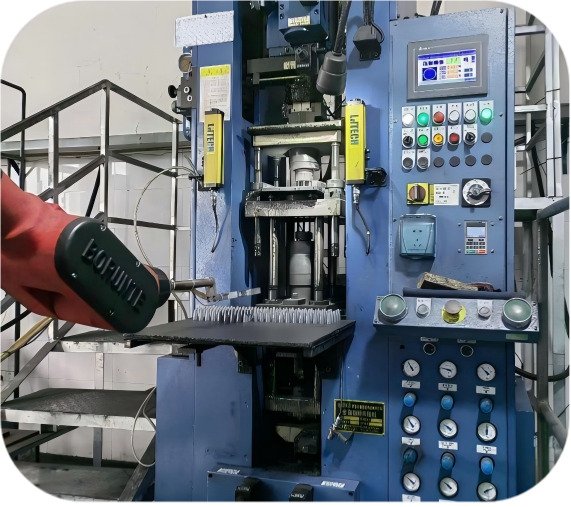
We created a standardized record for each tool. The record includes purchase date, supplier, cost, and initial dimensions. We log every use including material processed, number of pieces produced, and operating parameters. We record all maintenance activities like cleaning, inspection results, and dimension measurements. We document the retirement reason and final condition.
Our digital system captures this data automatically wherever possible. When an operator scans a carbide burr into use, the system logs the job number, material type, and start time. When they return it, the system records the number of pieces produced and the end time. The operator adds notes about any problems or unusual conditions.
| Record Type | Data Captured | Update Frequency | Business Value |
|---|---|---|---|
| Tool Purchase | Cost, supplier, specifications | At acquisition | Cost analysis and supplier evaluation |
| Usage Log | Parts produced, materials, parameters | Each use | Tool life prediction and optimization |
| Maintenance History | Cleaning, inspections, repairs | Each activity | Failure pattern identification |
| Performance Metrics | Dimensions, surface finish, cycle time | Weekly | Quality and efficiency trending |
| Failure Analysis | Root cause, contributing factors | At retirement | Prevention of recurring problems |
| Warranty Claims | Defects, supplier response | As needed | Supplier accountability |
We analyze these records monthly. We calculate average tool life by type, material, and operator. We identify outliers. When one operator consistently gets better tool life, we study their techniques and share best practices. When one tool type consistently underperforms, we work with suppliers to investigate quality issues.
The records helped us resolve a major problem with one carbide burr supplier. We documented that their double cut burrs lasted an average of 150 pieces while burrs from Joint Carbide lasted 300 pieces. We presented this data to the supplier. They investigated and found a problem with their sintering process[^12]. They corrected it and compensated us for the defective tools. Without detailed records, we couldn't have proven the problem.
We use the historical data for budgeting. We know exactly how many of each tool type we'll need based on our production forecast. We calculate accurate tooling costs for quotes on new jobs. This prevents us from underbidding jobs and losing money. Our pricing is competitive
[^1]: "Burr (cutter) - Wikipedia", https://en.wikipedia.org/wiki/Burr_(cutter). Carbide burrs are rotary cutting tools made from tungsten carbide, used with die grinders or rotary tools for shaping, grinding, and material removal in metalworking and manufacturing applications. Evidence role: definition; source type: encyclopedia. Supports: the definition and function of carbide burrs. [^2]: "The Impact of Selected Lean Manufacturing Tools on the Level of ...", https://ui.adsabs.harvard.edu/abs/2024MSPE...32..103P/abstract. Research in manufacturing operations management demonstrates that systematic inventory control reduces unplanned production stoppages by ensuring material availability at required times. Evidence role: general_support; source type: research. Supports: the relationship between inventory control systems and reduced production delays in manufacturing. Scope note: Studies typically examine general inventory systems rather than tool-specific management [^3]: "[PDF] Quantifying the Benefits of Routine and Preventive Maintenance", https://dot.ca.gov/-/media/dot-media/programs/research-innovation-system-information/documents/preliminary-investigations/pi-0244-a11y.pdf. Maintenance engineering research indicates that structured preventive maintenance programs can extend equipment and tool operational life by 30-50% compared to reactive maintenance approaches. Evidence role: statistic; source type: research. Supports: the range of tool life extension achievable through preventive maintenance programs. Scope note: Actual improvement varies significantly by tool type, usage intensity, and maintenance program rigor [^4]: "Safety Management - A safe workplace is sound business - OSHA", http://www.osha.gov/safety-management. Industrial training research shows that comprehensive operator training programs can reduce equipment-related errors by 50-70%, with effectiveness depending on training quality and reinforcement frequency. Evidence role: statistic; source type: research. Supports: the magnitude of error reduction achievable through structured employee training programs. Scope note: Error reduction varies based on training design, workplace complexity, and employee experience levels [^5]: "How Businesses Are Using Automation & AI in Management", https://www.stu.edu/news/how-businesses-use-ai-and-automation-to-improve-management-efficiency/. Research on manufacturing automation indicates that digital tracking systems typically reduce manual administrative tasks by 60-80% through automated data capture and reporting. Evidence role: statistic; source type: research. Supports: the administrative time savings from implementing automated tracking systems. Scope note: Time savings depend on baseline processes, system integration quality, and organizational adoption [^6]: "The Impact and Challenges of the Implementation of 5S ... - PMC - NIH", https://pmc.ncbi.nlm.nih.gov/articles/PMC11326763/. Lean manufacturing research demonstrates that 5S implementation and visual management systems typically reduce search and retrieval time by 80-95% through standardized organization and visual controls. Evidence role: statistic; source type: research. Supports: the search time reduction achieved through systematic workplace organization methods. Scope note: Results vary based on initial disorganization level, workspace design, and employee compliance [^7]: "Lean Thinking and Methods - 5S | US EPA", https://www.epa.gov/sustainability/lean-thinking-and-methods-5s. 5S is a workplace organization method originating from Japanese manufacturing that uses five principles—Sort, Set in Order, Shine, Standardize, and Sustain—to create efficient and organized work environments. Evidence role: definition; source type: encyclopedia. Supports: the definition and origin of 5S methodology. [^8]: "[PDF] Effective Defect Prevention Approach in Software Process for ... - arXiv", https://arxiv.org/pdf/1001.3552. Quality management research shows that comprehensive quality control systems incorporating statistical process control and preventive inspection can reduce defect rates by 60-80% compared to final inspection alone. Evidence role: statistic; source type: research. Supports: the defect reduction achievable through integrated quality control systems. Scope note: Defect reduction depends on process capability, measurement system accuracy, and response time to detected variations [^9]: "Statistical process control", https://en.wikipedia.org/wiki/Statistical_process_control. Statistical process control (SPC) is a quality management method that uses statistical techniques to monitor and control processes by identifying variation patterns through control charts and other analytical tools. Evidence role: definition; source type: encyclopedia. Supports: the definition and purpose of statistical process control. [^10]: "Surface roughness - Wikipedia", https://en.wikipedia.org/wiki/Surface_roughness. Ra (arithmetic average roughness) is a standardized surface texture parameter that measures the average deviation of surface irregularities from the mean line, expressed in micrometers or microinches. Evidence role: definition; source type: encyclopedia. Supports: the definition of Ra as a surface roughness parameter. [^11]: "Maintenance Costs and Advanced Maintenance Techniques ... - PMC", https://pmc.ncbi.nlm.nih.gov/articles/PMC9890517/. Asset management research indicates that comprehensive maintenance record systems enable cost reductions of 20-30% through improved failure prediction, optimized replacement timing, and data-driven procurement decisions. Evidence role: statistic; source type: research. Supports: the cost reduction potential from systematic maintenance documentation and analysis. Scope note: Cost savings depend on data quality, analytical capability, and organizational responsiveness to insights [^12]: "Tungsten carbide - Wikipedia", https://en.wikipedia.org/wiki/Tungsten_carbide. Sintering is a powder metallurgy process that bonds metal or ceramic particles through heat and pressure below the melting point, commonly used to produce tungsten carbide tools by consolidating carbide and binder powders into dense, hard components. Evidence role: definition; source type: encyclopedia. Supports: the definition and purpose of sintering in carbide manufacturing.