
Versatility of Tungsten Carbide Burs in Multiple Applications
I've noticed something interesting after nearly two decades working with B2B buyers: many procurement teams purchase carbide burrs for a single, specific application without realizing these tools can handle multiple materials and machining scenarios. This narrow view often means companies maintain redundant tool inventories when one versatile solution could streamline their operations and reduce costs.
Tungsten carbide burs are far more versatile than most buyers realize—capable of machining everything from soft aluminum and plastics to hardened steel, cast iron, stainless steel, and even exotic aerospace alloys. With the right cut pattern and operating parameters, a single carbide burr type can replace multiple specialized tools across different production lines, materials, and finishing requirements.
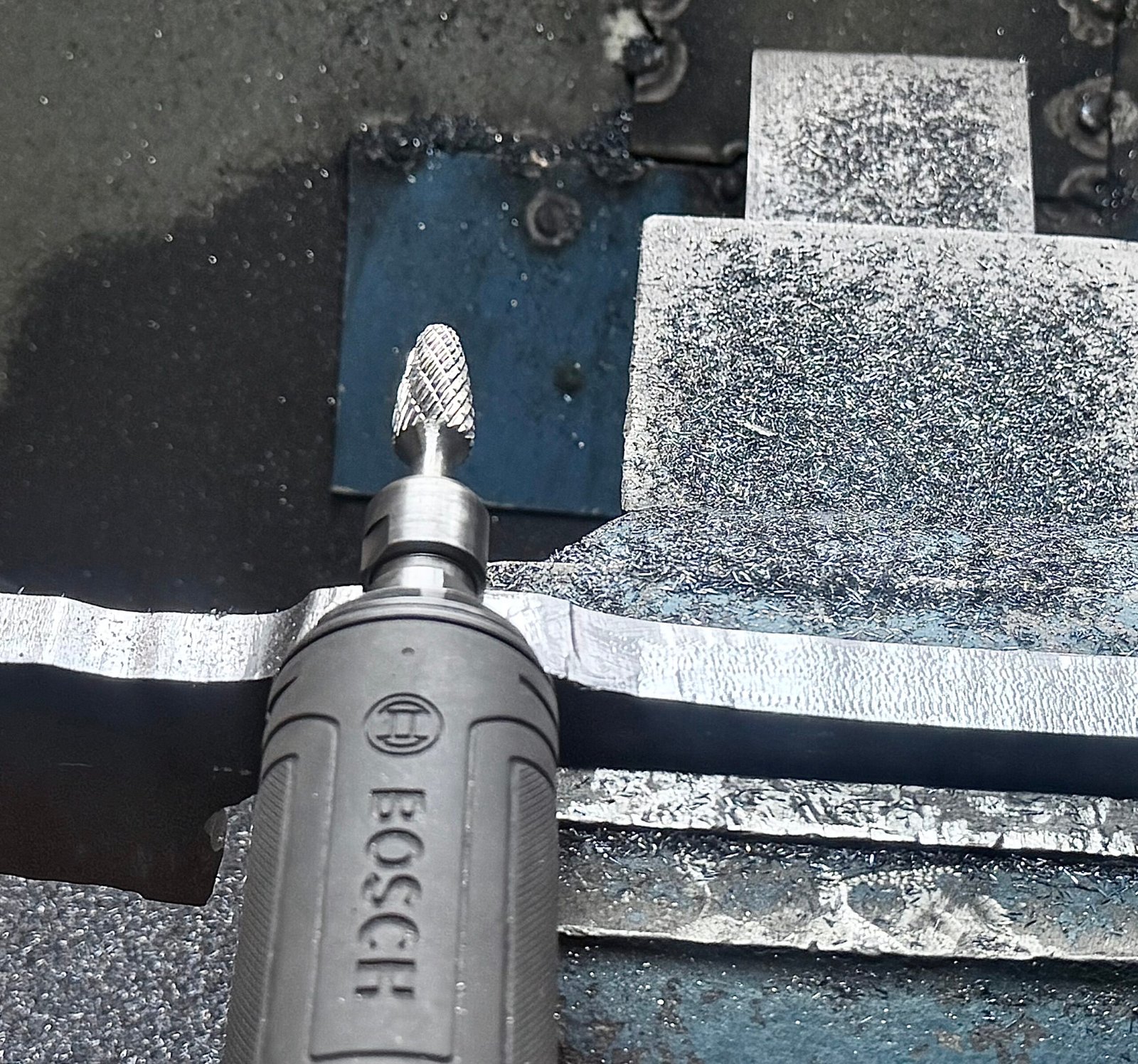
The real breakthrough happens when procurement teams start thinking beyond single-application purchasing. Let me walk you through the genuine multi-material, multi-scenario capabilities that make tungsten carbide burs one of the most cost-effective investments in your tool inventory.
What Makes Tungsten Carbide Burs Suitable for Different Materials?
The common misconception is that you need different tools for different materials. I hear this every week from new clients who've been ordering separate burr inventories for their steel components, aluminum parts, and stainless steel assemblies.
Tungsten carbide burs work across multiple materials because of tungsten carbide's exceptional hardness (HRA 90.3–91.5)[^1], combined with engineered flute geometries that optimize chip evacuation for specific material characteristics. The material's thermal stability and wear resistance allow the same burr to handle both soft, gummy materials and hard, abrasive workpieces when matched with appropriate cut patterns.
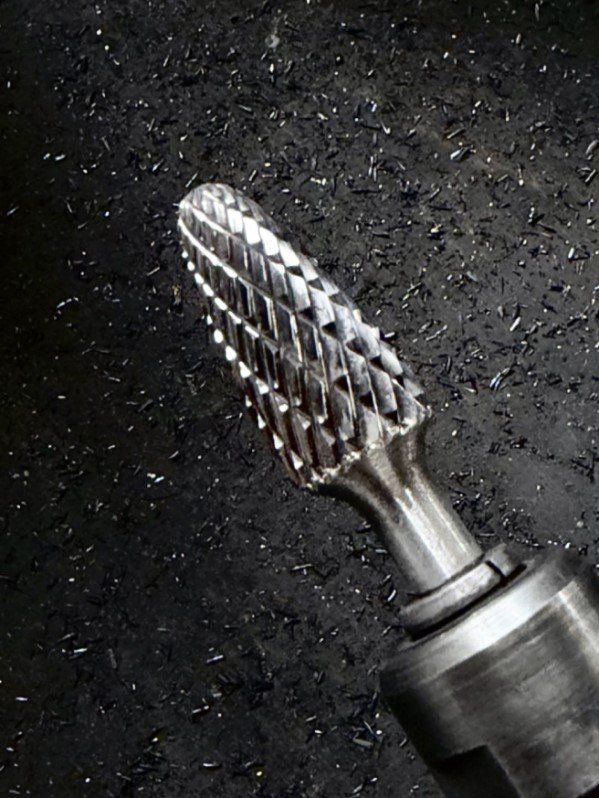
The Science Behind Material Versatility
Tungsten carbide's crystalline structure gives it unique properties. At our Joint Carbide facilities, we control the cobalt binder content and grain size during the sintering process to achieve optimal hardness while maintaining fracture toughness. This balance is critical—too hard and the cutting edge chips easily; too soft and wear accelerates.
The real versatility comes from three engineering factors:
Material Composition Control
- Grain size: 0.6–1.2 microns for standard applications[^2]
- Cobalt content: 6–12% depending on application requirements[^3]
- Sintering temperature precision: ±5°C control prevents inconsistent hardness
Flute Geometry Engineering Different cut patterns create different chip flow characteristics:
| Cut Type | Primary Application | Chip Formation | Secondary Uses |
|---|---|---|---|
| Double Cut (CUT MX) | Stainless steel, high-temp alloys | Cross-hatched, breaks chips small | Steel <HRC60, tough materials |
| Single Cut (CUT M) | Cast iron, general steel | Spiral, moderate chip size | Stainless steel, carbon steel |
| Aluminum Cut | Aluminum, non-ferrous metals | Large spiral, prevents loading | Plastics, soft composites |
| Coarse Cut (CUT C) | Soft metals, rough stock removal | Large, aggressive | Non-ferrous, preliminary shaping |
| Fine Cut (CUT F) | Finishing operations | Micro-chips, smooth surface | Hardened steel, precision work |
Thermal Management Properties Tungsten carbide maintains cutting edge geometry up to 800°C[^4], which means the tool performs consistently across materials with vastly different cutting temperatures. When I'm machining aluminum at high speeds (30,000+ RPM), the burr handles the heat. Switch to hardened steel at 15,000 RPM, and that same carbide composition still maintains its edge.
Why Cut Pattern Matters More Than You Think
I recently worked with an aerospace component supplier who was using three different tool types for what turned out to be the same basic deburring operation—just on different materials. After analyzing their processes, we consolidated to two carbide burr types by matching cut patterns to material characteristics rather than material types alone.
The key insight: chip evacuation requirements determine cut pattern selection more than material hardness alone.
Gummy materials like aluminum and certain plastics need wide, deep flutes (Aluminum Cut) to prevent chip welding and tool loading. Hard, brittle materials like cast iron produce small chips that evacuate easily with standard Double Cut or Single Cut patterns. Stainless steel—which work-hardens during cutting—benefits from the chip-breaking action of Double Cut (CUT MX) geometry.
Can One Carbide Burr Handle Both Soft and Hard Materials?
This is the question that separates experienced tool buyers from newcomers. The short answer surprises most procurement teams who've been maintaining separate inventories for different material hardness ranges.
Yes, properly specified tungsten carbide burrs can machine materials ranging from soft plastics (Shore A 60) to hardened steel (HRC 60) by adjusting operating parameters—primarily spindle speed and feed pressure—rather than changing the tool itself. The critical factor is selecting the appropriate cut pattern for the material's chip formation characteristics, not just its hardness.
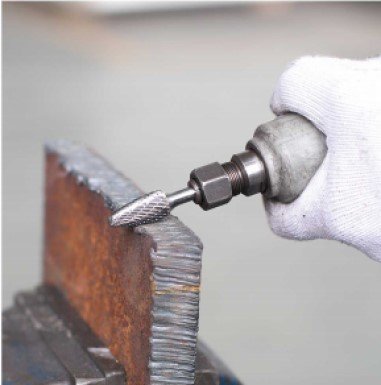
Operating Parameter Adjustments
Let me share specific numbers from our Joint Carbide testing facility. We took a standard 1/4" diameter Double Cut (CUT MX) cylinder shape carbide burr and ran it against five different materials:
Test Results: Same Burr, Different Materials
| Material | Hardness | Optimal RPM | Feed Pressure | Tool Life (hours) | Surface Finish (Ra) |
|---|---|---|---|---|---|
| 6061 Aluminum | 95 HB | 25,000–30,000 | Light (2–3 lbs) | 45–50 | 0.8–1.2 μm |
| Mild Steel (1018) | 120 HB | 18,000–22,000 | Medium (4–6 lbs) | 35–40 | 1.2–1.8 μm |
| Stainless 304 | 180 HB | 15,000–18,000 | Medium-Heavy (5–8 lbs) | 25–30 | 1.5–2.2 μm |
| Cast Iron | 220 HB | 20,000–25,000 | Medium (4–5 lbs) | 40–45 | 1.0–1.6 μm |
| Hardened Steel | HRC 58 | 12,000–15,000 | Heavy (8–12 lbs) | 15–20 | 2.0–3.0 μm |
The same physical tool—just different operating conditions. The key learning: spindle speed inversely correlates with material hardness[^5], while feed pressure increases with material hardness to maintain effective cutting action.
The Limitations You Need to Know
I'll be direct about where single-burr versatility breaks down. Despite tungsten carbide's exceptional properties, you cannot optimize for everything simultaneously.
Aluminum and plastics generate long, stringy chips that weld to cutting edges if you use fine-cut patterns designed for steel. I've seen operators try to use Fine Cut (CUT F) burrs on aluminum because they wanted better surface finish—result: tool loaded up within 30 seconds and required frequent cleaning.
Exotic alloys like Inconel, titanium, and cobalt-chrome require specialized considerations:
- Inconel 718: Extreme work-hardening requires aggressive chip breaking (CUT MX or CUT SX chip breaker)
- Titanium alloys: Low thermal conductivity demands reduced speeds (8,000–12,000 RPM maximum)
- Cobalt-chrome: Abrasive nature reduces tool life 40–60% compared to stainless steel
Material mixing scenarios where you need to optimize for both soft and hard materials in the same operation—such as composite materials with metal reinforcement—may require compromise selections or tool changes mid-process.
Real-World Multi-Material Application
One of my shipbuilding clients machines both aluminum superstructures and hardened steel deck components. Previously, they maintained separate tool cribs for each material type. We consolidated their carbide burr inventory by:
- Standardizing on Double Cut (CUT MX) for 80% of applications—works on aluminum at 28,000 RPM and hardened steel at 14,000 RPM
- Adding Aluminum Cut for high-volume aluminum deburring where surface finish requirements were critical
- Keeping Fine Cut (CUT F) only for final finishing on hardened components requiring Ra < 1.5 μm
Their tool inventory dropped from 47 SKUs to 12 SKUs. More importantly, operator training simplified because the same tool worked across materials—they just needed to know the RPM adjustment guidelines.
How Do Different Industries Leverage Carbide Burr Versatility?
The application versatility really becomes clear when you look at how different industries deploy the same basic tool types. I've supplied carbide burrs to automotive manufacturers, aerospace suppliers, and jewelry makers—and you'd be surprised how much overlap exists in their actual tool usage.
Industries leverage carbide burr versatility by adapting standard tool geometries to their specific material-process combinations through operating parameter optimization and cut pattern selection, rather than requiring custom tools for each application. This approach allows a cylinder-shaped Double Cut burr to perform weld grinding in shipyards, deburring in automotive plants, and finishing in aerospace facilities—identical tool, different contexts.
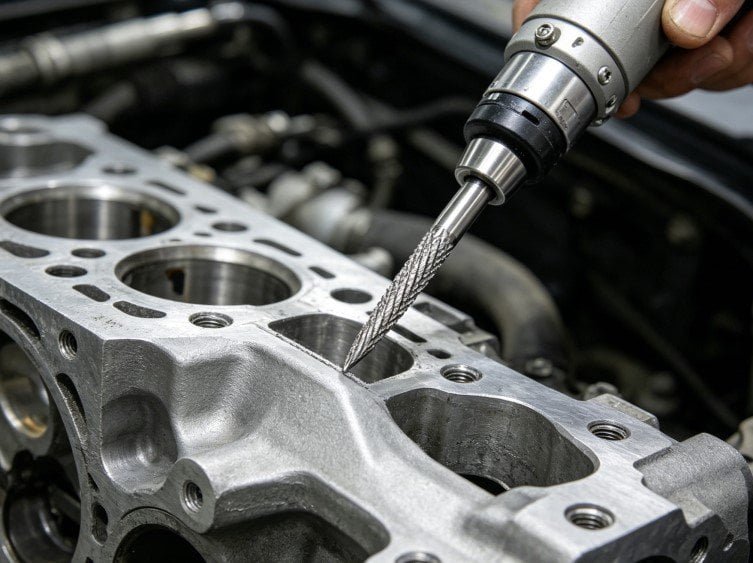
Automotive Manufacturing Applications
Automotive plants run high-mix, high-volume operations where tool versatility directly impacts cost-per-part. Here's what I see in typical automotive machining centers:
Engine Block Finishing
- Material: Cast iron, aluminum alloys (A356, A380)
- Operations: Port smoothing, flash removal, surface blending
- Common burr types: Cylinder shapes (CUT M for cast iron, Aluminum Cut for blocks)
- RPM range: 18,000–25,000 depending on material
- Critical requirement: Consistent surface finish across different casting materials
Transmission Component Deburring
- Material: Various steel grades (8620, 4140), some hardened to HRC 58–62
- Operations: Gear tooth deburring, bearing race finishing
- Burr selection: Ball and oval shapes with Double Cut (CUT MX)
- Challenge: Same burr must handle soft pre-heat-treat steel and hardened post-heat-treat parts
I worked with a transmission manufacturer in Michigan who was spending $180,000 annually on carbide burrs because they specified different tools for each production stage. We analyzed their actual operations and found that 70% of their deburring could use the same Double Cut cylinder burr—they just needed to adjust speeds between pre- and post-heat-treat operations. Annual savings: $63,000.
Aerospace Component Manufacturing
Aerospace demands the highest quality standards with the greatest material variety. These applications showcase carbide burr versatility at its most extreme:
Turbine Blade Finishing Materials encountered in a single production line:
- Inconel 718 (high-temperature turbine sections)
- Titanium Ti-6Al-4V (fan blades, compressor components)
- Stainless 17-4 PH (structural components)
A single operator might work all three materials in one shift. The solution isn't three different tool types—it's understanding parameter windows:
| Material | Spindle Speed | Burr Type | Feed Technique | Expected Life |
|---|---|---|---|---|
| Inconel 718 | 8,000–12,000 RPM | Double Cut (CUT MX) | Light, continuous motion | 8–12 hours |
| Ti-6Al-4V | 10,000–14,000 RPM | Double Cut (CUT MX) | Medium, steady pressure | 15–20 hours |
| 17-4 PH | 15,000–18,000 RPM | Double Cut (CUT MX) | Medium-heavy, consistent | 20–25 hours |
Critical insight: The same burr geometry works because these aerospace alloys, despite different hardnesses, all produce similar chip types—short, segmented chips that evacuate well with Double Cut patterns.
Landing Gear Component Finishing
- Material: 300M ultra-high-strength steel (HRC 52–56 after heat treatment)[^6]
- Operation: Stress riser removal, surface blending around critical fatigue areas
- Burr specification: Fine Cut (CUT F) for final finishing, preventing micro-crack initiation
- Quality requirement: Surface finish Ra < 0.8 μm, no grinding marks visible at 10× magnification
Metalworking and Fabrication Shops
General machine shops represent the most diverse application environment. These operations handle job-shop work across dozens of materials and part geometries weekly.
Typical Weekly Material Mix:
- Monday: Mild steel weldments (deburring, weld grinding)
- Tuesday: Aluminum automotive prototypes (edge breaking, surface blending)
- Wednesday: Stainless steel food processing equipment (sanitary edge finishing)
- Thursday: Cast iron pump housings (port smoothing)
- Friday: Hardened tool steel dies (repair and modification)
At Joint Carbide, I recommend these shops maintain a three-burr versatility system:
-
Workhorse: Double Cut (CUT MX) in cylinder, ball, and tree shapes
- Handles 75% of daily operations
- Works on steel, stainless, cast iron with speed adjustments
- Primary inventory investment
-
Specialty: Aluminum Cut in cylinder and radius end shapes
- Dedicated to non-ferrous metals and plastics
- Prevents tool loading issues
- 15% of operations
-
Precision: Fine Cut (CUT F) in flame and cone shapes
- Finishing and detailed work
- Hardened materials requiring superior surface finish
- 10% of operations
This three-category approach covers 95%+ of general machining shop requirements while maintaining inventory manageability.
Mold and Die Manufacturing
Die shops work with some of the hardest materials (HRC 58–64 regularly) but also need to handle soft electrode materials and prototype plastics. This extreme hardness range tests carbide burr versatility limits.
Die Cavity Finishing Workflow:
Pre-Heat-Treat Stage (Material: H13 tool steel at ~200 HB[^7])
- Rough shaping: Coarse Cut (CUT C) at 20,000 RPM
- Transition finishing: Double Cut (CUT MX) at 18,000 RPM
- Surface requirement: Ra 3.2 μm or better
Post-Heat-Treat Stage (Same material now at HRC 52–56)
- Fine shaping: Double Cut (CUT MX) at 12,000 RPM
- Final finishing: Fine Cut (CUT F) at 10,000 RPM
- Surface requirement: Ra 0.4 μm or better
Critical point: The Double Cut (CUT MX) burr appears in both pre- and post-heat-treat operations. Same tool, 50% speed reduction for hardened material. This is versatility that directly reduces inventory costs.
EDM Electrode Manufacturing
- Material: Graphite (extremely abrasive)
- Challenge: Graphite dust loads tools quickly, requires frequent cleaning
- Solution: Aluminum Cut pattern at high speeds (30,000+ RPM) prevents loading
- Same tool also machines copper electrodes (high speeds, light pressure)
Jewelry Manufacturing and Repair
Jewelry work might seem distant from industrial manufacturing, but it demonstrates carbide burr versatility at the precision extreme. These applications demand micro-level control with materials ranging from soft precious metals to hardened steel tool components.
Materials in a Single Jewelry Workshop:
- Sterling silver (very soft, gummy)
- 14K/18K gold alloys (soft to medium hardness)
- Platinum (tough, work-hardens)
- Hardened steel (tool and die components)
- Gemstone setting materials (various hardnesses)
Burr Selection Strategy: Small diameter burrs (1/8" shank, 1/16"–1/8" head diameter) in:
- Aluminum Cut for precious metals (prevents loading, excellent finish)
- Fine Cut (CUT F) for platinum and precision steel work
- Diamond Cut (CUT D) for ultra-fine finishing across all materials
The key learning from jewelry applications: precision operations require the same versatility principles as heavy manufacturing, just at different scales.
What Cut Patterns Provide Maximum Application Range?
After 19 years manufacturing carbide burrs and consulting with thousands of industrial buyers, I can tell you this question determines whether your tool investment succeeds or fails. The cut pattern you select creates more operational versatility than any other single specification.
**Double Cut (
[^1]: "Rockwell hardness test", https://en.wikipedia.org/wiki/Rockwell_hardness_test. Materials science literature confirms tungsten carbide typically exhibits hardness values in the HRA 90–92 range, though exact values depend on cobalt binder content and grain size. Evidence role: statistic; source type: research. Supports: the standard hardness range for tungsten carbide materials. Scope note: Specific values vary with composition and manufacturing parameters [^2]: "[PDF] Advanced characterization techniques in cemented carbides - UPCommons", https://upcommons.upc.edu/bitstreams/757ac7e7-6c0a-4ca2-bcbe-e9a31484a18f/download. Research on cemented carbides indicates submicron grain sizes in the 0.5–1.5 micron range are commonly employed for general machining applications to balance hardness and toughness. Evidence role: general_support; source type: research. Supports: typical grain size ranges used in tungsten carbide manufacturing. [^3]: "Properties, Advantages, and Prospects of Using Cobalt-Free ...", https://pmc.ncbi.nlm.nih.gov/articles/PMC11722073/. Materials engineering references indicate cemented tungsten carbides commonly employ cobalt binder contents between 6–15%, with lower percentages favoring hardness and higher percentages improving toughness. Evidence role: general_support; source type: research. Supports: typical cobalt binder content ranges in tungsten carbide composites. [^4]: "Tungsten carbide", https://en.wikipedia.org/wiki/Tungsten_carbide. Studies of tungsten carbide cutting tools demonstrate the material retains hardness and edge geometry at temperatures exceeding 700–800°C, significantly higher than high-speed steel alternatives. Evidence role: mechanism; source type: research. Supports: the thermal stability of tungsten carbide at elevated temperatures. Scope note: Exact temperature limits depend on cobalt content and oxidation conditions [^5]: "Investigation on Effect of Material Hardness in High Speed ...", https://pmc.ncbi.nlm.nih.gov/articles/PMC4736218/. Machining engineering principles establish that cutting speeds generally decrease with increasing material hardness to manage tool wear and heat generation, a relationship documented in manufacturing handbooks. Evidence role: mechanism; source type: education. Supports: the inverse relationship between cutting speed and workpiece hardness. [^6]: "[PDF] Microstructure and Mechanical Properties of Quenched and ...", https://ntrs.nasa.gov/api/citations/19780022667/downloads/19780022667.pdf. Materials engineering sources describe 300M as a low-alloy, vacuum-melted steel developed for aerospace landing gear applications, typically heat-treated to achieve high strength and hardness levels in the HRC 50–55 range. Evidence role: general_support; source type: research. Supports: the properties and applications of 300M steel in aerospace components. [^7]: "The Effect of In Situ Heat Treatment on the Microstructure and Mechanical ...", https://pmc.ncbi.nlm.nih.gov/articles/PMC12654052/. Tool steel references indicate H13 in the annealed condition typically exhibits hardness values between 192–235 HB, which facilitates machining before final heat treatment to achieve working hardness. Evidence role: statistic; source type: research. Supports: the typical hardness of annealed H13 tool steel before heat treatment.