
Choosing the right burr can make or break your efficiency and cost. Many face the dilemma of carbide burrs versus HSS burrs. Which suits your project best?
Carbide burrs are ideal for achieving superior efficiency and precision in machining, offering extended lifespan and cost savings over time. Meanwhile, HSS burrs are suitable for budget-conscious users.
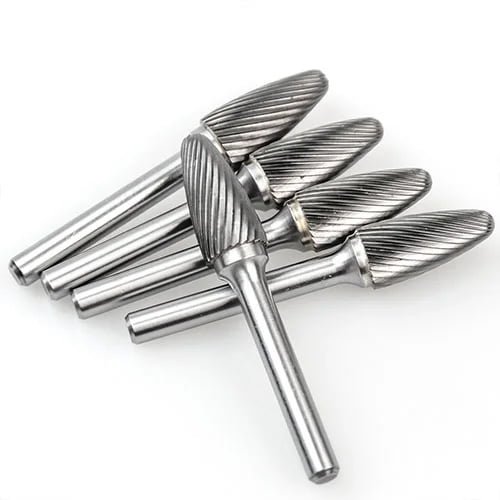
Deciding between carbide burrs and HSS burrs mainly depends on your needs. Carbide burrs, while pricier upfront, deliver better performance, longer service life, and lower long-term costs, making them a worthwhile investment for serious users. HSS burrs, on the other hand, provide an affordable option for those with limited budgets or less demanding applications.
What Are Carbide Burrs and HSS Burrs?
Understanding the difference between these tools is crucial. Picking the wrong one could increase costs or limit results. So, what makes them different?
Carbide burrs are made of tungsten carbide and are harder, more durable, and deliver cleaner finishes, even for tougher materials. HSS burrs are made of high-speed steel and are less durable but budget-friendly.
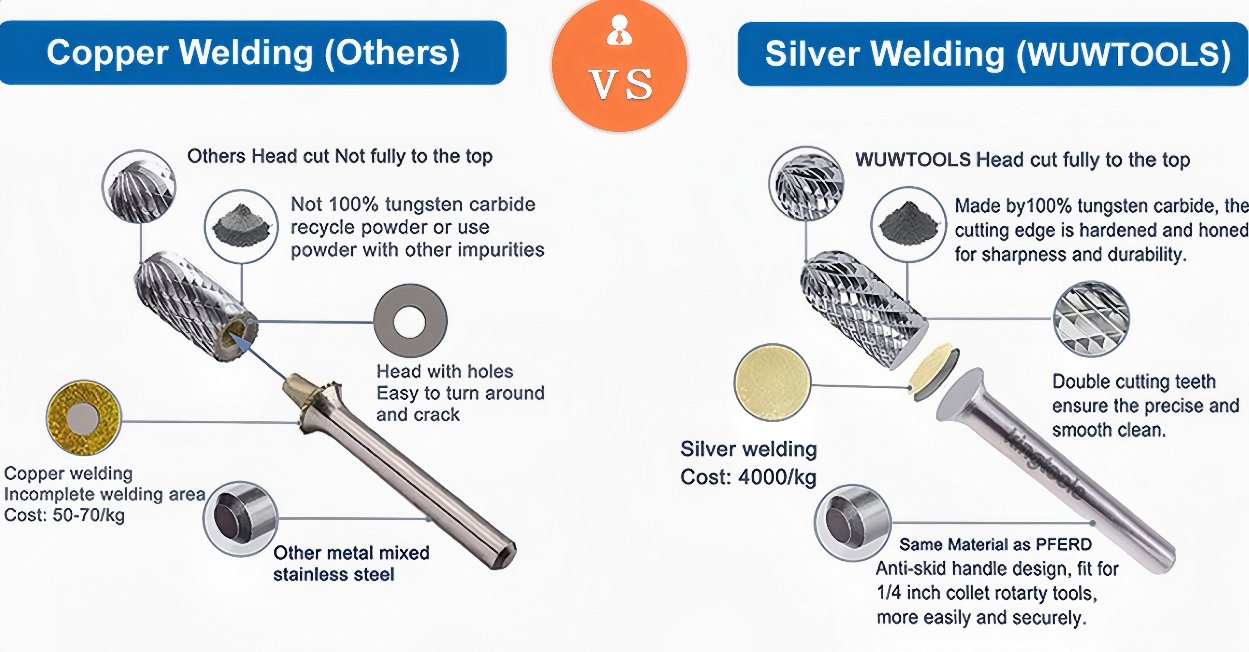
Carbide burrs function efficiently with materials like stainless steel, cast iron, and alloys. HSS burrs are better suited for softer materials, such as wood or aluminum. Further, carbide burrs have superior wear resistance and sharper edges due to tungsten carbide's hardness. If precision and durability matter most, carbide burrs are better, though costing more initially.
How Does Cost Factor into Your Decision?
The price tag is often the first thing people notice when choosing tools. But cheaper options can lead to higher long-term costs. How can you account for this?
Carbide burrs are more expensive upfront but reduce overall cost through improved efficiency, longer lifespan, and better finish quality. HSS burrs cost less initially but wear out faster and need frequent replacement.
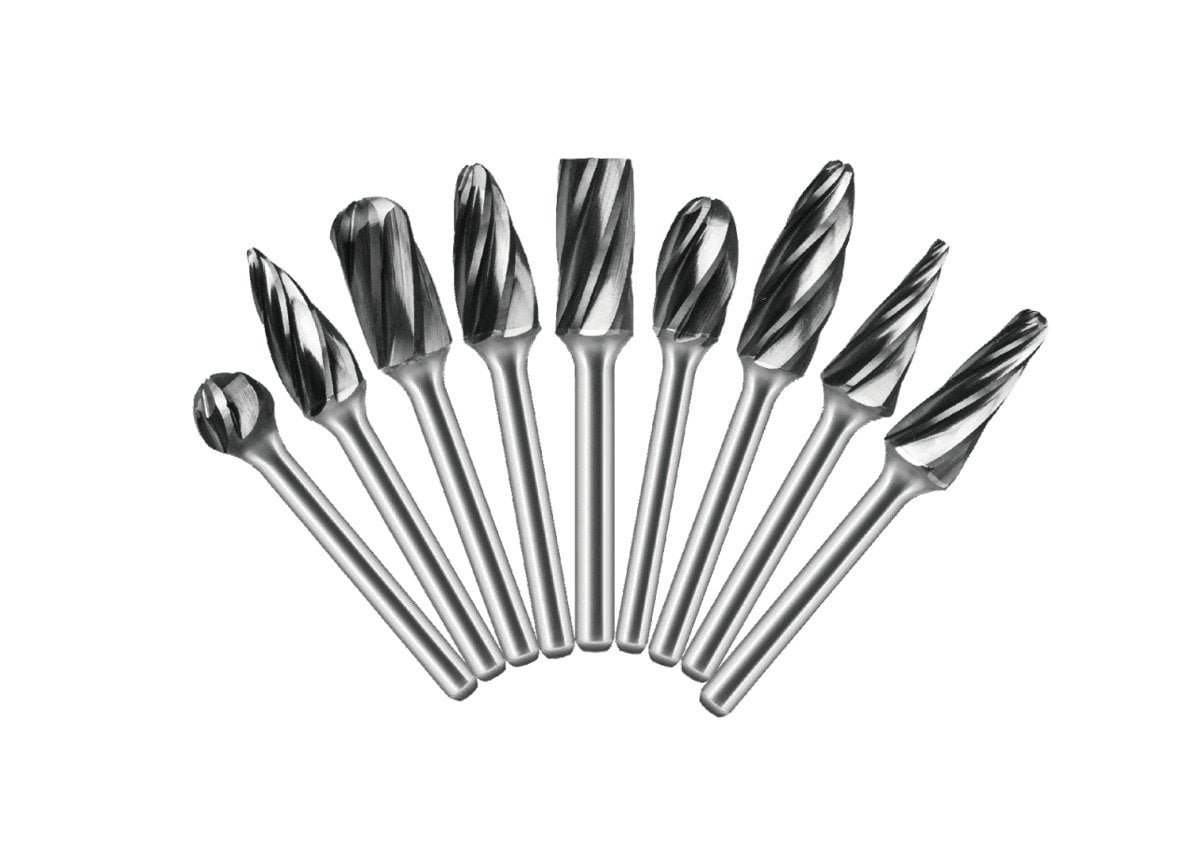
When calculating costs, consider not only the purchase price but also the downtime for changing worn tools, quality of the final product, and labor involved in finishing tasks. Carbide burrs win in terms of long-term savings. If your budget permits, investing in carbide burrs almost always makes more sense than opting for HSS burrs.
Which Tool Offers Better Efficiency and Precision?
Efficiency is vital when time is money. Precision impacts the final product's quality. So, which burr shines brighter in these areas?
Carbide burrs excel in precision machining. They produce clean cuts, reduce vibrations, and handle tough materials efficiently. HSS burrs are better for quick, less demanding jobs with softer materials.
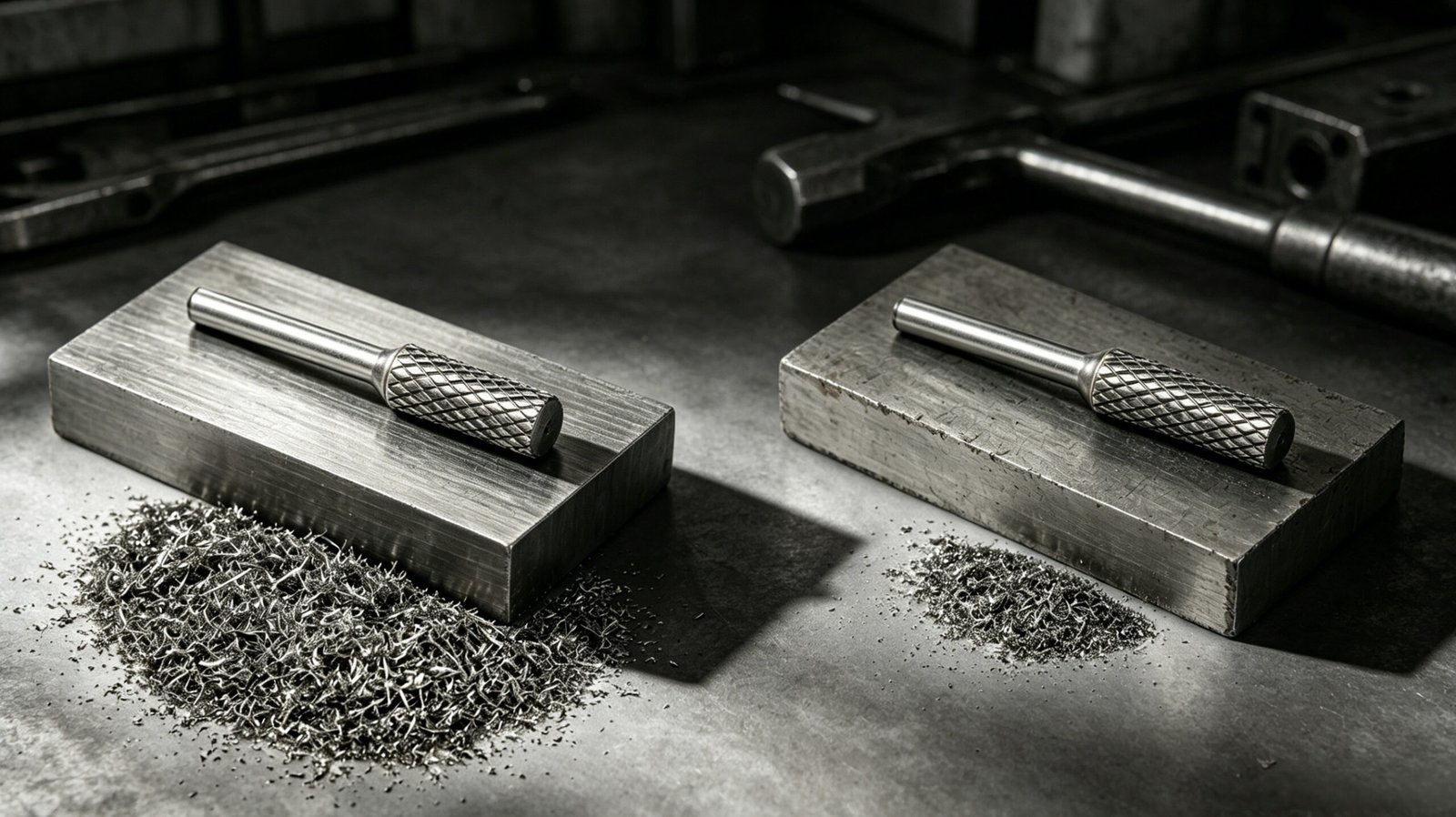
If your job involves complex shapes or high-speed applications, carbide burrs handle heavy-duty work efficiently without struggling. The sharpness of carbide burrs lasts longer, reducing work interruptions for tool changes. HSS burrs, while a practical choice for light work, stand no match to carbide burrs' durability and reliability in precision tasks.
What Are the Practical Applications for Each Type?
Knowing which burr fits your material, machine, and application makes all the difference in your project's success. When should you use each?
Carbide burrs are ideal for industrial applications such as aerospace, automotive, and mold making due to their robust wear resistance. HSS burrs serve well in DIY projects or crafts where cost matters more than durability.
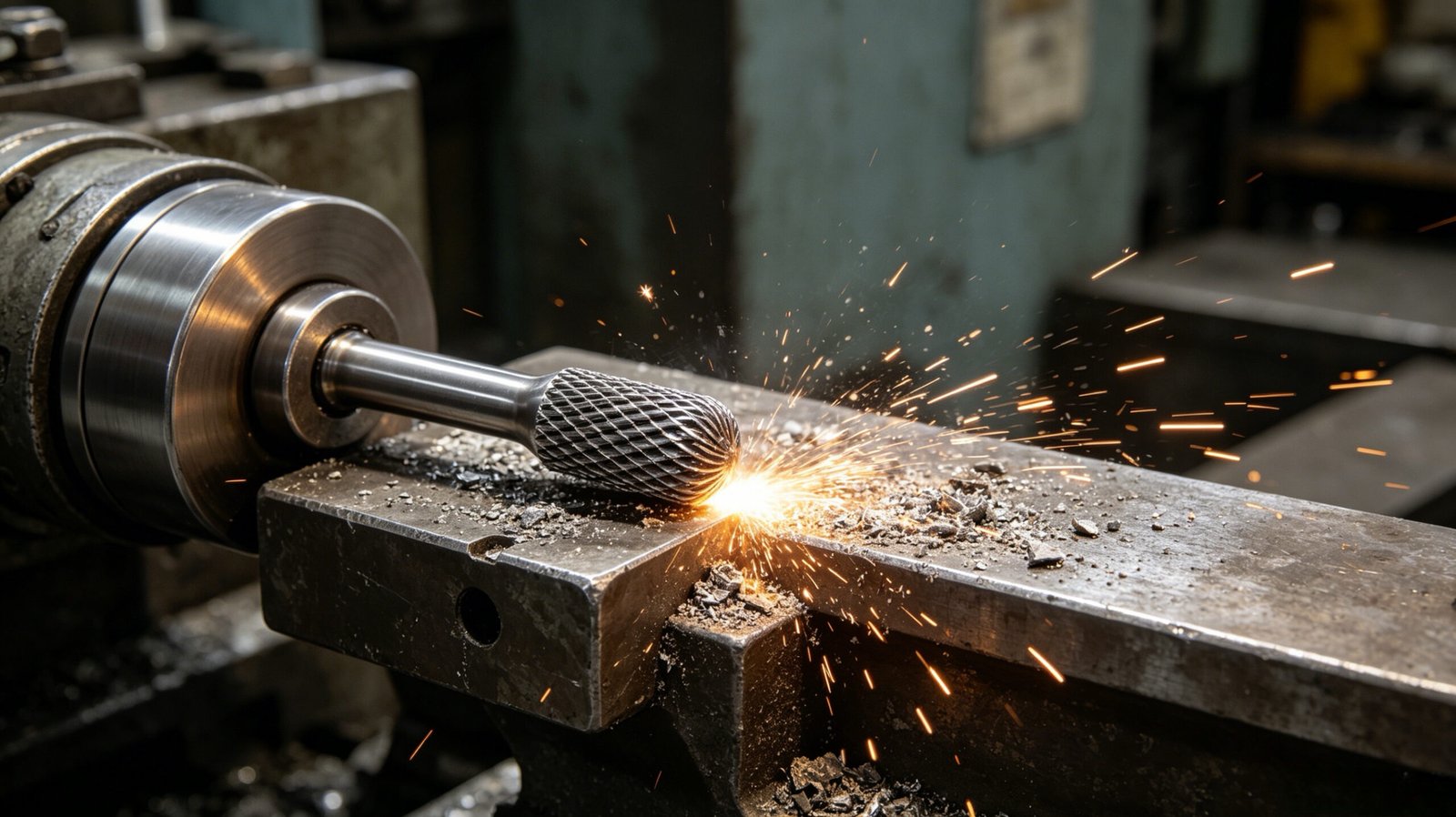
Different industries and projects call for different types of tools. For example, in heavy-duty scenarios like machining stainless steel or titanium alloys, carbide burrs provide unmatched performance. In contrast, for carving wood or working with plastics on smaller-scale projects, HSS burrs might fulfill the requirements without overburdening the budget.
Conclusion
Choosing between carbide burrs and HSS burrs depends on your project scale, material type, and budget. Carbide burrs deliver superior precision, durability, and long-term savings, while HSS burrs offer affordability for less-demanding applications.