
Diamond Tools vs Traditional Cutting Tools: Pros and Cons?
I faced a tough choice last month. My team needed new cutting tools. The salesperson showed me diamond tools and traditional carbide burrs. I felt confused. Which one would save us money? Which one would last longer? Many customers ask me the same questions every day.
Diamond tools use synthetic or natural diamond particles[^1] for cutting. Traditional cutting tools rely on tungsten carbide or high-speed steel. Diamond tools excel at hardness and heat resistance. Traditional tools offer better versatility and lower initial costs. Your material type and budget determine the best choice.
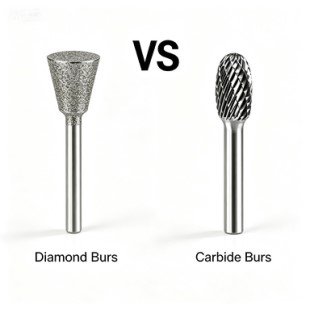
Let me share what I learned from 19 years in this industry. I will break down the real differences. You will know exactly which tool fits your needs.
What Makes Diamond Tools Different from Carbide Burrs?
I remember my first diamond tool purchase in 2007. The price shocked me. I wondered if it was worth three times more than my regular carbide burrs. The answer came when I tested both tools on hardened steel.
Diamond tools contain diamond particles bonded to a metal matrix. Carbide burrs use solid tungsten carbide with specific fluting patterns. Diamond tools reach 8000-10000 HV hardness[^2]. Our carbide burrs achieve HRA 90.3-91.5 hardness. Diamond tools work best on hard, abrasive materials. Carbide burrs handle a wider range of applications.
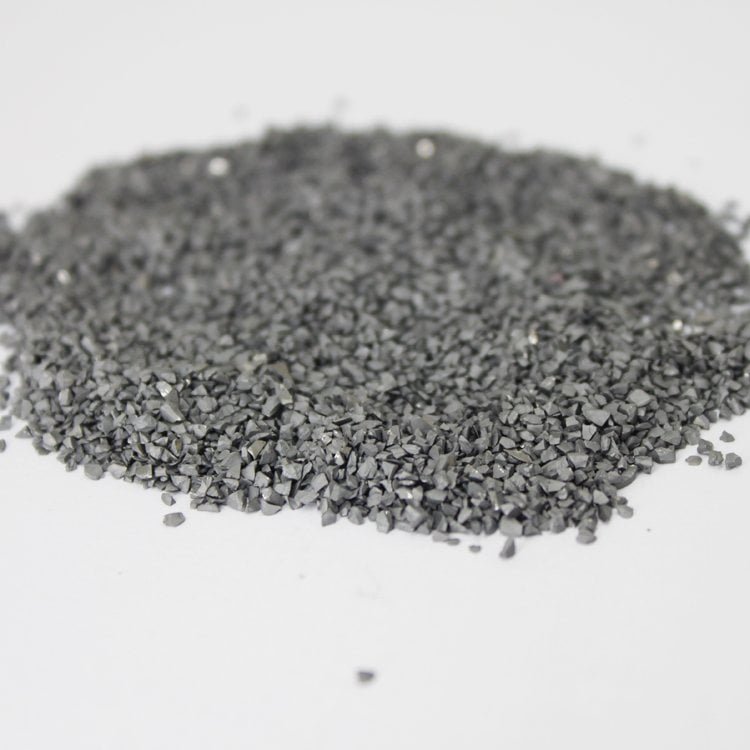
The structure tells the whole story. Diamond tools work like sandpaper. Thousands of tiny diamond particles grind away material. Each particle acts as a mini cutting edge. When one particle wears out, another takes its place. This design gives diamond tools incredible longevity on specific materials.
Our carbide burrs work differently. We machine precise flutes into solid tungsten carbide blanks. The flutes create sharp cutting edges. These edges slice through material like a knife. We harden and hone each edge for maximum sharpness. The Double Cut pattern creates a cross-hatch design. This pattern removes material efficiently and prevents clogging.
I tested both tools on the same steel block. The diamond tool felt smooth and steady. It produced fine dust. The carbide burr cut faster. It created larger chips. The diamond tool maintained consistent performance for hours. The carbide burr needed more frequent checks. But when I switched to aluminum, the carbide burr performed better. The diamond tool struggled with soft materials.
Here is what I found about material compatibility:
| Material Type | Diamond Tools | Carbide Burrs |
|---|---|---|
| Hardened Steel (HRC60+) | Excellent | Poor to Fair |
| Stainless Steel | Good | Excellent |
| Cast Iron | Good | Excellent |
| Aluminum | Poor | Excellent |
| Ceramics | Excellent | Poor |
| Glass | Excellent | Not Recommended |
| Plastics | Poor | Excellent |
| Titanium | Fair | Good |
The cost per piece differs greatly. Diamond tools start at $50 and can exceed $500. Our carbide burrs range from $2 to $30. But I learned to calculate cost per hour instead of cost per piece. A $200 diamond tool that lasts 100 hours costs $2 per hour. A $10 carbide burr that lasts 3 hours costs $3.33 per hour.
How Do Cutting Speeds Compare Between Diamond and Carbide Tools?
My customer called me last week. He complained about slow cutting speeds with diamond tools. I asked about his RPM settings. He was running at 30,000 RPM. I told him to reduce speed to 15,000 RPM. The problem disappeared.
Diamond tools operate at 10,000-25,000 RPM for optimal performance. Carbide burrs work efficiently at 15,000-40,000 RPM depending on material and diameter. Diamond tools maintain consistent cutting speed throughout their life. Carbide burrs may slow down as cutting edges dull. Feed rate matters more than spindle speed for both tool types.
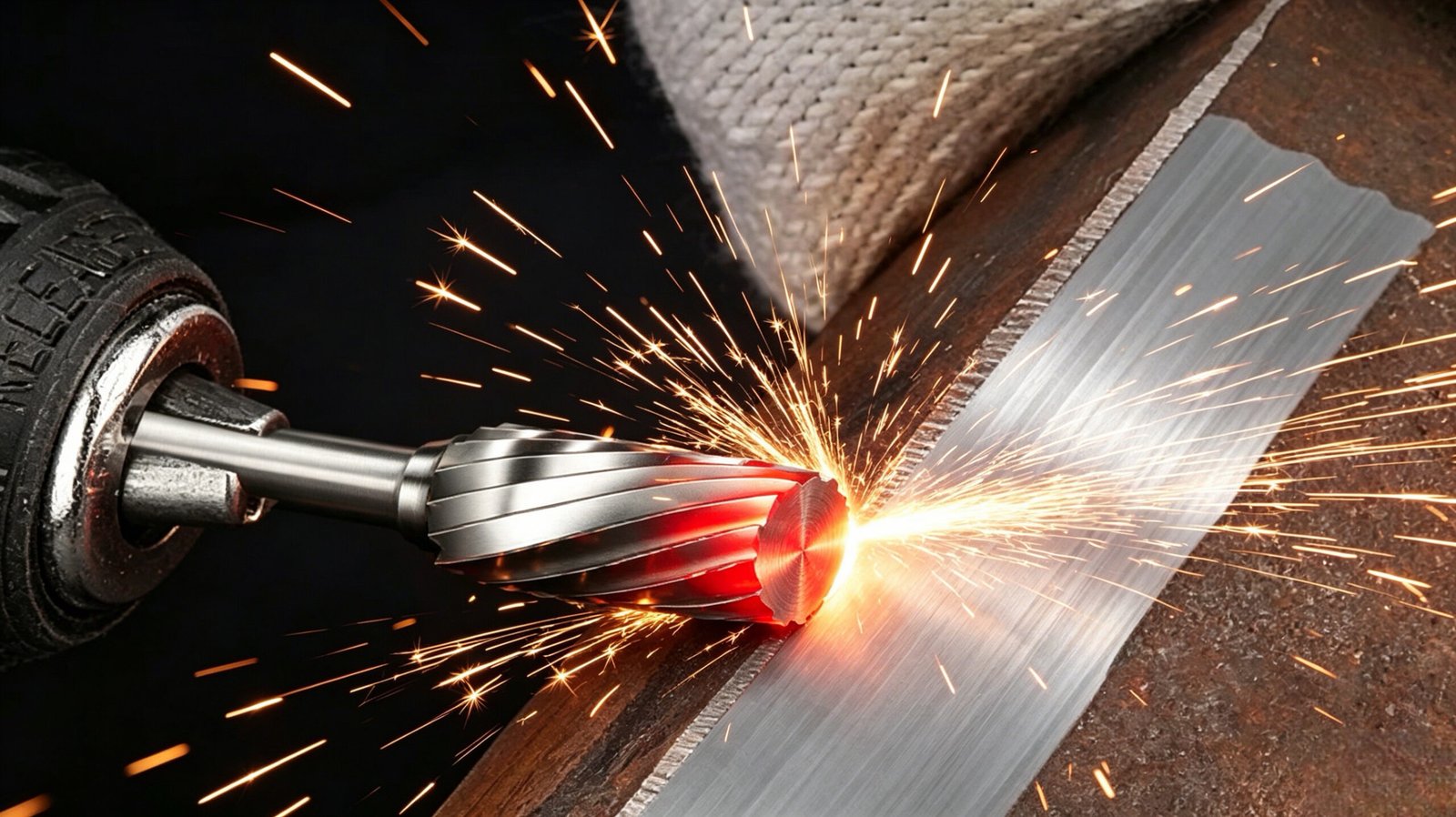
Speed control makes or breaks tool performance. I run our factory with 418 sets of 5-axis CNC machines. We test every tool combination. High speeds generate heat. Heat damages both diamond bonds and carbide edges. But low speeds reduce productivity.
Diamond tools need steady, moderate speeds. The diamond particles work by abrading material. Too much speed creates excessive heat. The metal bond holding diamonds weakens. Diamonds fall out prematurely. I saw this happen with a customer who ignored speed recommendations. His $300 diamond tool lasted only 5 hours. The same tool should last 80-100 hours.
Our carbide burrs handle variable speeds better. The solid carbide structure resists heat. Our Double Cut design evacuates chips efficiently. This prevents heat buildup. We recommend different speeds for different materials:
| Material | Diamond Tool RPM | Carbide Burr RPM | Feed Rate |
|---|---|---|---|
| Hardened Steel | 15,000-20,000 | Not Recommended | Slow (1-2 mm/s) |
| Stainless Steel | 12,000-18,000 | 18,000-25,000 | Medium (2-4 mm/s) |
| Mild Steel | 15,000-20,000 | 20,000-30,000 | Fast (4-6 mm/s) |
| Aluminum | Not Recommended | 25,000-40,000 | Very Fast (6-10 mm/s) |
| Cast Iron | 10,000-15,000 | 15,000-20,000 | Medium (2-4 mm/s) |
Feed rate controls everything. I push too hard and the tool breaks. I move too slowly and the tool rubs instead of cuts. Rubbing generates heat without removing material. This kills tools fast.
Diamond tools prefer light pressure with steady movement. Think of sanding wood. You move the sandpaper consistently across the surface. You do not press hard. The same principle applies to diamond tools. Let the diamond particles do the work. Your job is to guide the tool and maintain contact.
Carbide burrs accept more aggressive feeds. The sharp cutting edges bite into material. They create chips. You feel the difference immediately. A properly loaded carbide burr vibrates slightly. This tells you it is cutting efficiently. Too much load causes chatter. Too little load causes rubbing.
I created a simple test. Take a steel block. Mark a 10mm line. Cut along the line with each tool type. Time how long each tool takes. The carbide burr typically finishes faster on materials below HRC60. The diamond tool works steadily on harder materials where carbide fails.
Which Tool Type Offers Better Cost Efficiency?
I spent three months analyzing tool costs at our factory. I tracked purchase prices, replacement frequency, and labor hours. The results surprised me. The cheapest tool per piece cost the most per finished part.
Initial cost favors carbide burrs at $2-30 per piece versus $50-500 for diamond tools. Total cost depends on tool life, material removal rate, and replacement time. Carbide burrs excel for short runs and varied materials. Diamond tools win for long production runs on hard materials. Calculate your cost per finished part, not cost per tool.
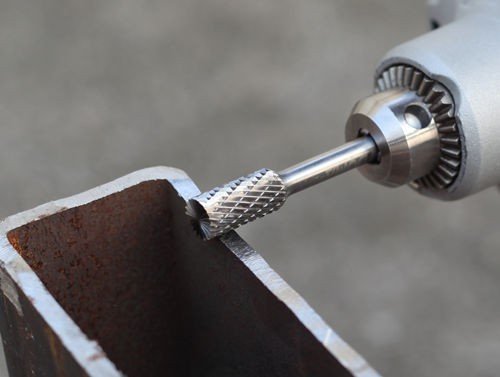
Let me show you real numbers from our production floor. We make custom parts for aerospace customers. Some parts use hardened steel at HRC65. I tested both tool types on identical parts.
Scenario 1: Hardened Steel Parts (HRC65)
-
Carbide burr cost: $15
-
Carbide burr life: 2 parts
-
Tool changes per 100 parts: 50
-
Tool cost per 100 parts: $750
-
Change time per 100 parts: 2.5 hours
-
Labor cost (at $30/hour): $75
-
Total cost: $825
-
Diamond tool cost: $250
-
Diamond tool life: 150 parts
-
Tool changes per 100 parts: 0.67
-
Tool cost per 100 parts: $167
-
Change time per 100 parts: 0.1 hours
-
Labor cost (at $30/hour): $3
-
Total cost: $170
The diamond tool saved us $655 per 100 parts. This represents 79% cost reduction. But this only works for hard materials with long production runs.
I ran the same test on aluminum parts. The results flipped completely.
Scenario 2: Aluminum Parts
-
Carbide burr cost: $8
-
Carbide burr life: 200 parts
-
Tool changes per 100 parts: 0.5
-
Tool cost per 100 parts: $4
-
Change time per 100 parts: 0.08 hours
-
Labor cost (at $30/hour): $2.40
-
Total cost: $6.40
-
Diamond tool cost: $180
-
Diamond tool life: 50 parts (poor performance)
-
Tool changes per 100 parts: 2
-
Tool cost per 100 parts: $360
-
Change time per 100 parts: 0.3 hours
-
Labor cost (at $30/hour): $9
-
Total cost: $369
The carbide burr destroyed the diamond tool in cost efficiency. We saved $362.60 per 100 parts using carbide. This represents 98% cost reduction compared to diamond tools.
Hidden costs matter too. Diamond tools need specific operating conditions. You need proper coolant systems. You need rigid machine setups. Vibration kills diamond tools fast. I watched a customer lose a $400 diamond tool in 10 minutes. His machine had loose bearings. The vibration shattered the diamond bond.
Our carbide burrs tolerate more abuse. They work on hand tools. They work on flexible shafts. They work on old machines with some play. This flexibility saves money on equipment upgrades.
Here is my decision matrix for cost efficiency:
| Factor | Choose Diamond Tools | Choose Carbide Burrs |
|---|---|---|
| Production Volume | Over 100 identical parts | Under 100 parts or mixed runs |
| Material Hardness | HRC60 or higher | HRC60 or lower |
| Material Type | Ceramics, glass, stone | Metals, plastics, composites |
| Machine Condition | Rigid, well-maintained | Any condition |
| Operator Skill | Experienced with speed control | Any skill level |
| Budget | High initial, low running | Low initial, higher running |
What About Tool Life and Maintenance Requirements?
I keep detailed records of tool failures. This helps us improve our carbide burrs. It also helps customers choose the right tools. Tool life depends on many factors beyond material and speed.
Diamond tools last 10-20 times longer than carbide burrs on hard materials. Carbide burrs outlast diamond tools 5-10 times on soft materials. Diamond tools need minimal sharpening. Our carbide burrs can be resharpened 2-3 times. Proper maintenance doubles tool life for both types. Coolant use and regular cleaning matter most.
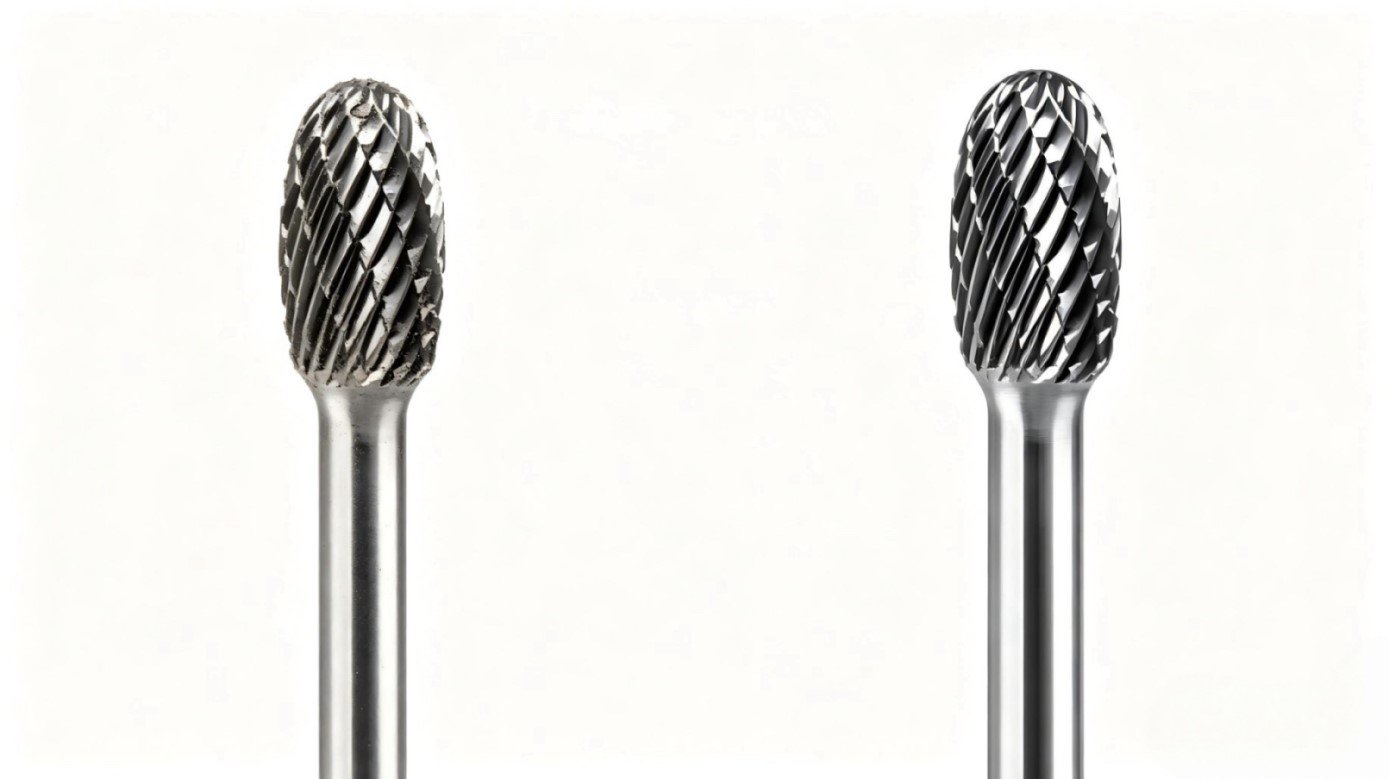
Tool life measurements confuse people. Some measure in hours. Some measure in parts produced. Some measure in material removed. I prefer measuring cubic centimeters of material removed. This gives a true performance comparison.
Diamond tools on hardened steel remove 500-1000 cubic centimeters before needing replacement. Our carbide burrs on the same material remove 10-50 cubic centimeters. The diamond tool wins by 10-20 times. But flip to aluminum. Diamond tools remove only 50-100 cubic centimeters. Our carbide burrs remove 1000-2000 cubic centimeters. The carbide burr wins by 10-20 times.
Maintenance needs differ completely. Diamond tools need cleaning after each use. Metal particles and dust clog the diamond surface. This reduces cutting ability. I use a brass brush and cleaning solution. Five minutes of cleaning restores performance. Diamond tools rarely need other maintenance.
Our carbide burrs need more attention. I inspect cutting edges after every job. Chips or cracks mean immediate replacement. A damaged burr can break and cause injury. I check three things:
-
Edge sharpness - I run my thumbnail gently across the edge. A sharp edge catches slightly. A dull edge slides smoothly.
-
Chip buildup - Material can weld to the cutting edges. This happens with aluminum and soft steel. I remove buildup with a brass brush.
-
Welding joint - Our R-shape shank design provides strong welding. But impacts can damage the joint. I look for cracks or movement.
Sharpening extends tool life significantly. Diamond tools cannot be resharpened effectively. The diamond particles wear evenly. You cannot restore the original surface. But our carbide burrs accept resharpening. We send used burrs to specialized shops. They grind new cutting edges. A resharpened burr costs $3-5. It performs almost like new.
I created a maintenance schedule that doubled our tool life:
| Maintenance Task | Diamond Tools | Carbide Burrs | Frequency |
|---|---|---|---|
| Surface Cleaning | Required | Required | After each use |
| Edge Inspection | Visual only | Detailed check | After each use |
| Coolant Check | Required | Recommended | Before each use |
| Deep Cleaning | Required | Required | Weekly |
| Resharpening | Not applicable | Recommended | After 50% wear |
| Storage Check | Required | Required | Monthly |
Coolant makes a huge difference. I tested identical tools with and without coolant. Tools with coolant lasted 2-3 times longer. The coolant does four things. It cools the cutting edge. It lubricates the surface. It washes away chips. It prevents corrosion.
We use water-based coolant for most applications. Oil-based coolant works better for specific materials. Straight cutting oil gives the best surface finish. But it costs more and creates disposal problems.
How Do Surface Finish Results Compare?
My quality control team measures surface finish on every part. Customers demand specific roughness values. The tool type affects finish quality significantly.
Diamond tools produce Ra 0.2-0.8 micrometers surface finish on hard materials[^3]. Our carbide burrs achieve Ra 0.4-1.6 micrometers depending on cut type[^4]. Diamond tools create consistent, uniform surfaces. Carbide burrs offer varied finishes through cut pattern selection. Material properties influence results more than tool choice. Final finish often requires secondary operations regardless of primary tool.
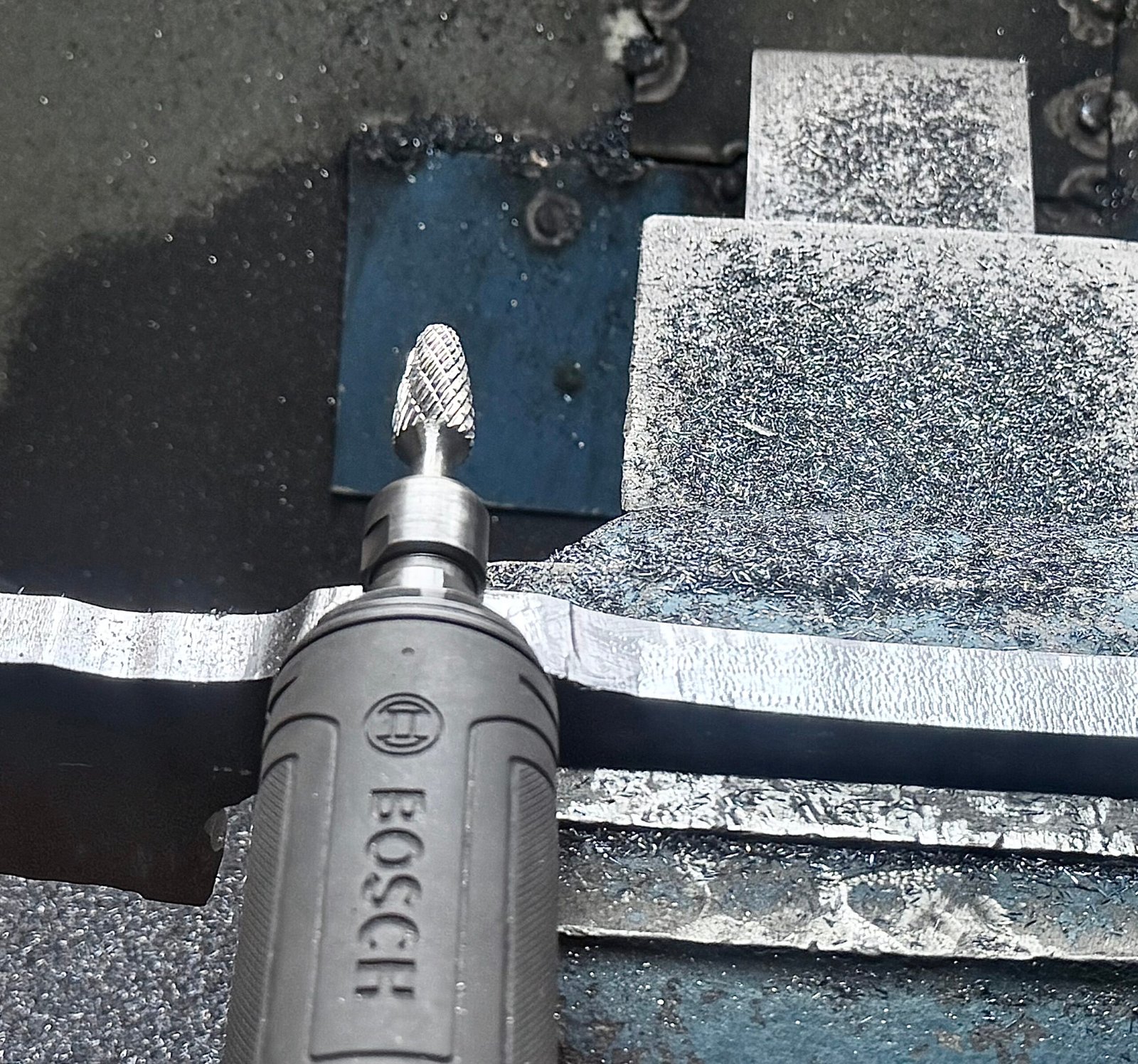
Surface finish depends on many variables. Tool geometry matters most. Diamond tools work by abrasion. They create thousands of tiny scratches. These scratches overlap and create a uniform surface. The finish looks like fine sandpaper work.
Our carbide burrs cut rather than abrade. Each tooth removes a chip. The chip size determines surface roughness. We offer six cut types for different finish requirements. Our Diamond Cut pattern creates the finest finish. It produces results similar to actual diamond tools. The Cut F (Fine Cut) comes next. It works well on hard steel and cast iron.
I tested all our cut types on identical steel blocks. I measured surface roughness with a profilometer. Here are the results:
| Cut Type | Surface Finish (Ra) | Best Application | Speed vs Finish |
|---|---|---|---|
| Diamond Tool | 0.2-0.4 μm | Hard materials only | Slow, excellent finish |
| CUT D (Diamond) | 0.4-0.8 μm | All materials below HRC60 | Medium, excellent finish |
| CUT F (Fine) | 0.8-1.2 μm | Steel, stainless, cast iron | Fast, good finish |
| CUT MX (Double) | 1.2-1.6 μm | General purpose | Very fast, acceptable finish |
| CUT M (Single) | 1.4-2.0 μm | Cast iron, hard steel | Very fast, rough finish |
| CUT MR (Chip Breaker) | 1.6-2.4 μm | Heavy stock removal | Fastest, rough finish |
The numbers tell only part of the story. Surface finish appearance matters too. Diamond tools create matte surfaces. The uniform abrasion pattern scatters light. Parts look professionally finished. They feel smooth to touch. No directional marks appear.
Our carbide burrs create directional patterns. The cutting teeth leave small ridges. These ridges follow the tool path. Under magnification, you see the individual tooth marks. But proper technique minimizes visibility. I teach operators to overlap passes by 50%. This blends the ridges together.
Feed rate affects finish quality dramatically. Faster feeds create larger chips. Larger chips leave deeper marks. I slow down for final passes. The last pass determines visible finish quality. I reduce feed rate by 50% for finishing passes.
Tool wear changes finish over time. Fresh diamond tools produce the finest finish. As diamonds wear, the
[^1]: "Synthetic diamond - Wikipedia", https://en.wikipedia.org/wiki/Synthetic_diamond. Industrial diamond tools utilize both natural diamonds and synthetic diamonds produced through high-pressure high-temperature or chemical vapor deposition processes, with synthetic diamonds now dominating due to cost, consistency, and availability advantages. Evidence role: definition; source type: encyclopedia. Supports: the two sources of diamond materials used in industrial cutting and grinding tools. [^2]: "HPHT and CVD Diamond Growth Processes | How Lab-Grown ... - GIA", https://www.gia.edu/hpht-and-cvd-diamond-growth-processes. Diamond materials used in industrial cutting tools typically exhibit Vickers hardness values in this range, though exact values vary with diamond type, bonding method, and measurement conditions. Evidence role: statistic; source type: research. Supports: the hardness range of diamond materials used in cutting tools. Scope note: Hardness values can vary significantly based on whether natural or synthetic diamonds are used and the specific manufacturing process [^3]: "Diamond turning", https://en.wikipedia.org/wiki/Diamond_turning. Studies of diamond tool performance on hardened materials report surface roughness values in this range under controlled conditions, with finer finishes achievable through reduced feed rates and proper coolant application. Evidence role: statistic; source type: research. Supports: typical surface roughness values achievable with diamond tooling on hard materials. Scope note: Achieved surface finish depends heavily on cutting parameters, tool condition, machine rigidity, and workpiece material properties [^4]: "Surface roughness and cutting efficiency of composite finishing ...", https://pubmed.ncbi.nlm.nih.gov/9484147/. Technical literature on rotary carbide tooling indicates that surface finish varies significantly with flute geometry, with fine-cut and cross-cut patterns producing smoother finishes than single-cut designs, though actual values depend on material, speed, and feed rate. Evidence role: general_support; source type: education. Supports: typical surface roughness ranges achievable with different carbide burr flute patterns. Scope note: Surface finish is highly variable and depends on operator technique, tool condition, and workpiece material in addition to cut pattern