
Global Market Development and Industry Trends for Tungsten Carbide Tools
The procurement landscape for tungsten carbide tools is shifting beneath our feet. When I first started in this industry back in 2007, buyers mainly focused on price per unit. Today, conversations with our global clients reveal a completely different priority list—regulatory compliance, supply chain stability, and long-term partnership potential have moved to the forefront. This fundamental shift isn't just changing how we sell; it's transforming how manufacturers like Joint Carbide must position themselves in an increasingly complex global market.
The tungsten carbide tools market is experiencing unprecedented transformation driven by stricter international regulations, evolving sustainability requirements, and industrial buyers' growing emphasis on supplier qualification over short-term cost savings. This shift has created a new competitive landscape where certification compliance, traceability documentation, and manufacturing consistency matter as much as product specifications—fundamentally changing how B2B procurement teams evaluate and select carbide tool suppliers for long-term partnerships.
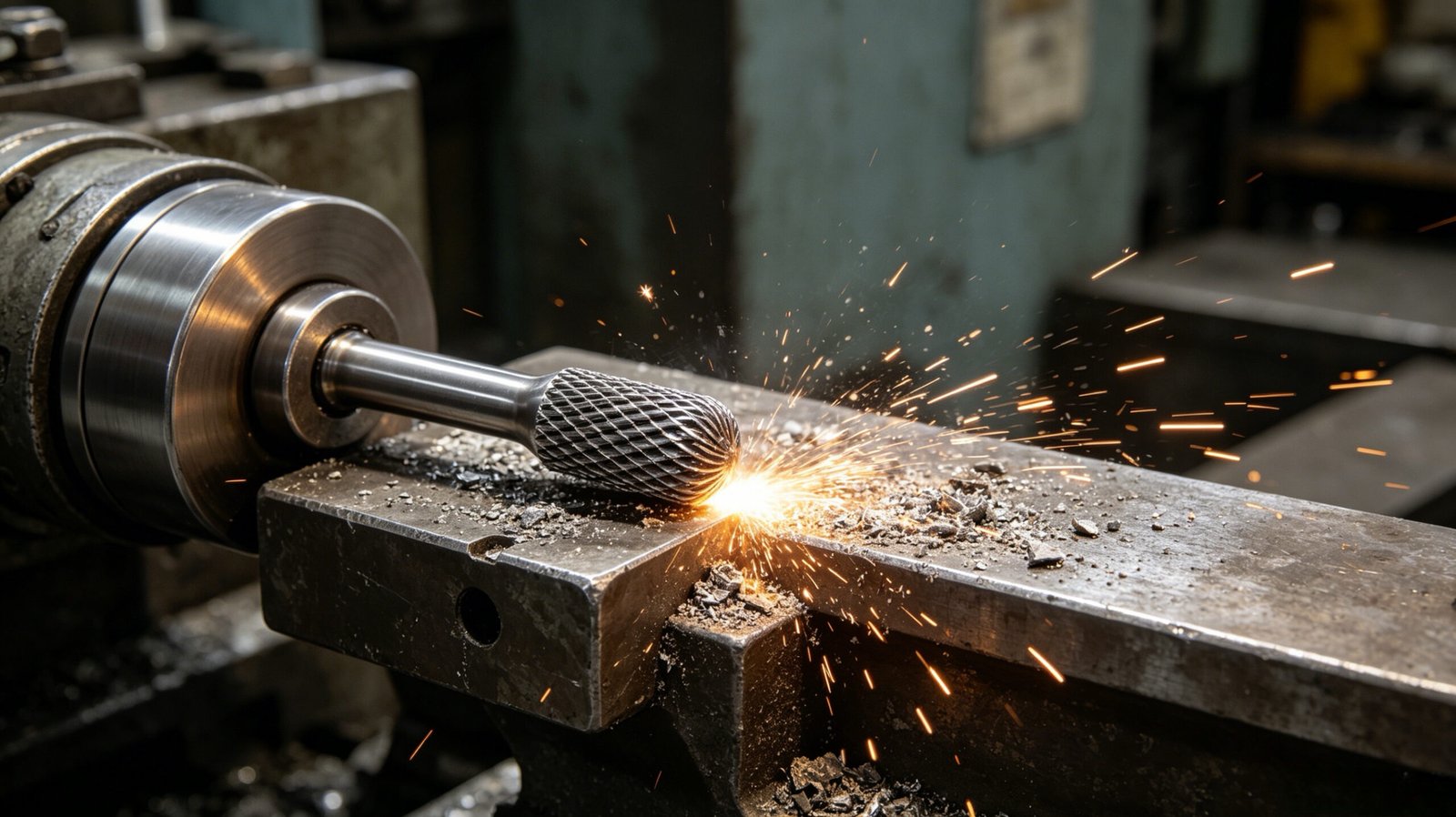
This evolution isn't happening in isolation. As manufacturing returns to developed markets and supply chain resilience becomes a strategic priority, the tungsten carbide tools industry faces both challenges and opportunities that will define the next decade. Let me walk you through what I've observed firsthand and what industry data is telling us about where this market is heading.
What are the current global market dynamics for tungsten carbide tools?
The tungsten carbide tools sector is navigating a complex web of growth opportunities and regulatory pressures that would have seemed unimaginable a decade ago.
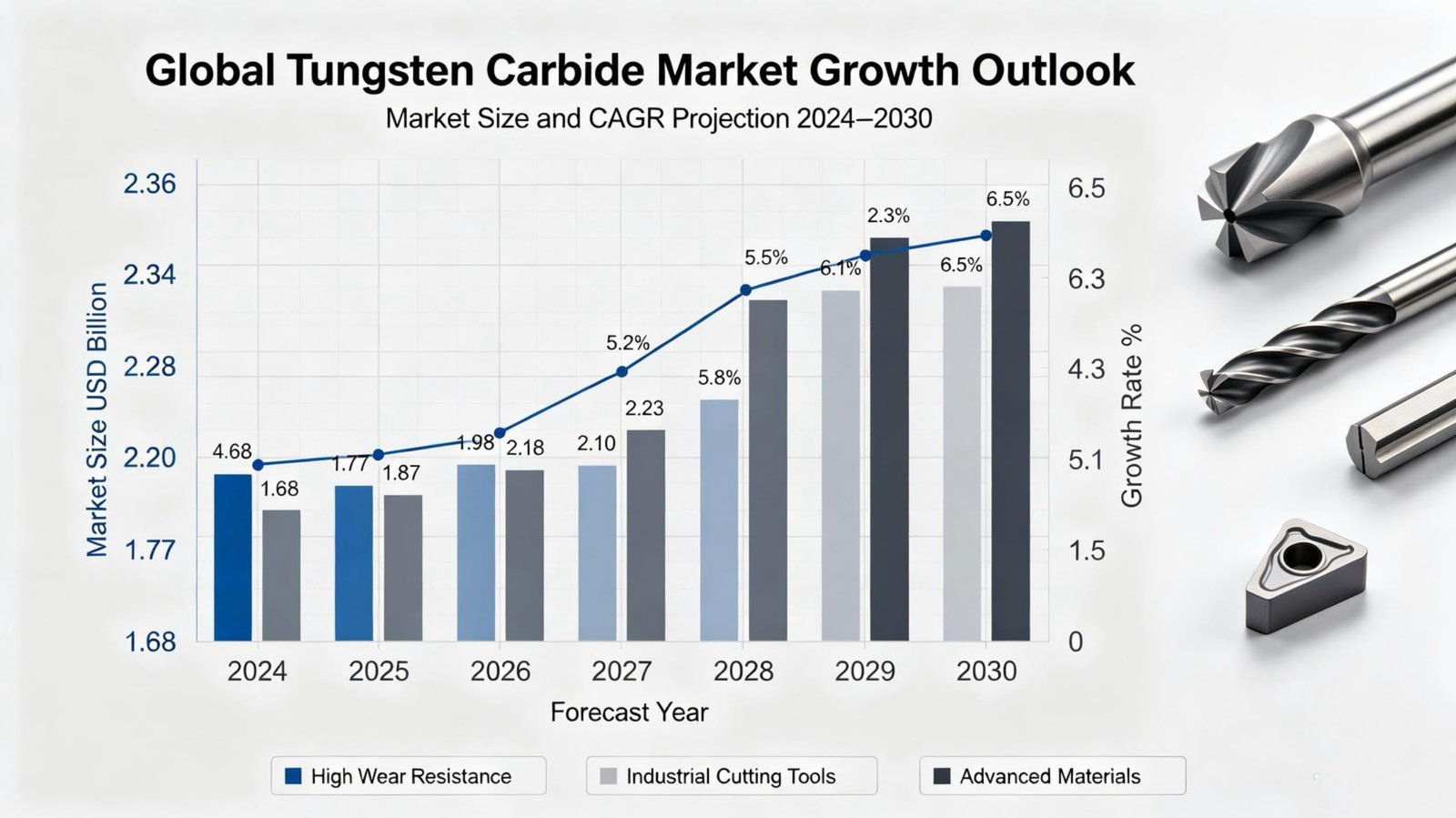
The global tungsten carbide tools market reached approximately $18.7 billion in 2023 and is projected to grow at a compound annual growth rate (CAGR) of 6.2% through 2030[^1], driven primarily by aerospace manufacturing expansion, automotive electrification requirements, and precision medical device production—with Asia-Pacific maintaining dominant production capacity while North American and European markets increasingly prioritize certified, traceable supply sources.
Regional Market Segmentation and Demand Patterns
The geographical distribution of tungsten carbide tool consumption tells a fascinating story about global manufacturing priorities. Asia-Pacific currently accounts for roughly 45% of global demand, but the nature of that demand is changing rapidly.
North America (28% market share):
- Emphasis on aerospace-grade specifications
- Stringent Buy American Act compliance requirements
- Premium pricing tolerance for certified suppliers
- Growing reshoring of precision manufacturing
Europe (22% market share):
- Strictest environmental compliance standards (REACH, RoHS)
- Strong preference for ISO 9001 and ISO 14001 certified suppliers
- Medical device manufacturing concentration
- Emphasis on circular economy and carbide recycling programs
Asia-Pacific (45% market share):
- Largest production capacity and competitive pricing
- Rapidly improving quality standards
- Mixed regulatory enforcement creating supplier differentiation
- Growing domestic high-end manufacturing sectors
Rest of World (5% market share):
- Emerging manufacturing hubs in Latin America and Middle East
- Increasing demand for industrial infrastructure projects
At Joint Carbide, we've witnessed this regional divergence firsthand. Our European clients typically request complete material traceability documentation before even discussing pricing, while some Asian markets still prioritize delivery speed and cost. This isn't about one approach being "better"—it reflects different stages of industrial maturity and regulatory framework development.
Key End-Use Industries Driving Demand
The automotive sector remains the largest consumer of carbide burrs and cutting tools, but the specific applications are evolving. Electric vehicle production requires different tooling approaches than traditional internal combustion engines—more emphasis on machining aluminum battery housings, less on cast iron engine blocks.
Aerospace and defense applications demand the highest specifications. When a single carbide burr might touch a component destined for a commercial aircraft, the documentation requirements become extensive. Our aerospace customers routinely require batch traceability back to raw material sourcing, something we've built into our manufacturing process through our vertically integrated supply chain.
Medical device manufacturing represents the fastest-growing segment, with CAGR exceeding 8% in some subsectors. Surgical instrument production, orthopedic implant finishing, and dental equipment manufacturing all require carbide tools that meet biocompatibility standards and can document contamination-free production environments.
Supply Chain Restructuring and Geopolitical Factors
The pandemic exposed vulnerabilities in just-in-time procurement models that relied on single-source suppliers. I've had multiple procurement managers tell me they're now required to qualify at least two geographically diverse suppliers for critical tooling categories—even if it means slightly higher costs.
Trade tensions between major economies have accelerated this trend. Tariffs, export restrictions on strategic materials, and "friend-shoring" policies are reshaping traditional supply routes. Tungsten, being classified as a critical mineral by multiple governments, faces particular scrutiny.
This creates opportunities for manufacturers who can demonstrate:
- Stable access to certified raw materials
- Manufacturing locations in preferred trade zones
- Backup production capacity across multiple facilities
- Transparent country-of-origin documentation
Our establishment of Hainan Joint Carbide in 2026 (yes, we're planning ahead) reflects this strategic positioning—creating production flexibility to serve different regional markets with appropriate regulatory compliance.
How are international regulations reshaping supplier requirements?
Regulatory compliance has transformed from a checkbox exercise into a competitive differentiator that can make or break supplier relationships in the tungsten carbide tools industry.
International buyers now require suppliers to demonstrate compliance with an expanding web of regulations including conflict mineral sourcing (Dodd-Frank Section 1502, EU Conflict Minerals Regulation[^2]), environmental standards (REACH, RoHS), and industry-specific certifications (AS9100 for aerospace, ISO 13485 for medical devices[^3])—with non-compliance often resulting in immediate disqualification regardless of product quality or pricing competitiveness.
Environmental Regulations and Sustainability Standards
The European Union's REACH (Registration, Evaluation, Authorization, and Restriction of Chemicals) regulation[^4] has become the de facto global standard for chemical substance management, even for buyers outside Europe. Tungsten carbide manufacturing involves various substances that require registration and safety documentation.
Key environmental compliance requirements:
| Regulation | Primary Region | Impact on Carbide Tool Suppliers |
|---|---|---|
| REACH | EU (global influence) | Requires registration of chemical substances; restricts certain cobalt compounds used as binders |
| RoHS | EU, Asia | Limits hazardous substances in electrical/electronic equipment; affects tool manufacturers supplying electronics sector |
| Conflict Minerals Rule | USA, EU | Mandates disclosure of tungsten sourcing from conflict-affected regions |
| Carbon Border Adjustment | EU (proposed) | Will impose costs on carbon-intensive manufacturing imports |
I remember a particularly challenging conversation with a German automotive supplier in 2022. They needed documentation proving our tungsten wasn't sourced from conflict regions, our cobalt binder met REACH registration requirements, AND our manufacturing process carbon footprint. This wasn't negotiable—without these documents, we couldn't even quote the project.
The compliance burden falls heaviest on manufacturers who can't trace their raw material origins. This is precisely why Joint Carbide invested in vertical integration. When you control the supply chain from carbide powder production (Ganzhou Jinshi Alloy Material) through final tool manufacturing (multiple facilities), documentation becomes manageable rather than impossible.
Industry-Specific Certification Requirements
Different end-use sectors impose their own certification layers beyond basic regulatory compliance. These aren't optional—they're entry requirements.
Aerospace sector certifications:
- AS9100 (aerospace quality management standard)
- NADCAP (special process accreditation)
- First article inspection reports (FAIR)
- Material test certificates with full traceability
Medical device sector certifications:
- ISO 13485 (medical device quality management)
- FDA registration (for US market)
- Biocompatibility documentation
- Cleanroom manufacturing verification
Automotive sector certifications:
- IATF 16949 (automotive quality management)
- PPAP (Production Part Approval Process)
- Supplier quality audits
- Continuous improvement documentation
The challenge isn't obtaining these certifications once—it's maintaining them through continuous audits, process documentation, and improvement initiatives. I've watched competitors exit certain market segments simply because they couldn't sustain the compliance overhead.
Conflict Mineral Sourcing and Ethical Supply Chain Requirements
Tungsten's classification as a conflict mineral[^5] under US and EU regulations creates unique challenges for carbide tool manufacturers. The regulations aim to prevent armed groups in conflict-affected regions (particularly Central Africa) from financing operations through mineral extraction.
Compliance requirements typically include:
- Due diligence on tungsten sourcing origins
- Smelter verification against approved lists
- Annual conflict minerals reporting
- Third-party audit capabilities
- Supply chain transparency documentation
For buyers, this means asking suppliers difficult questions: Where does your tungsten come from? Can you prove it? Who are your upstream suppliers? These aren't rhetorical—procurement teams need documented answers that satisfy their own compliance obligations.
Joint Carbide sources tungsten from certified non-conflict suppliers with full traceability. But beyond compliance, there's a business logic here: buyers increasingly recognize that ethical sourcing correlates with supply stability. Suppliers cutting corners on conflict mineral compliance often cut corners elsewhere.
Quality Management System Expectations
ISO 9001 certification used to be impressive. Now it's baseline. Modern B2B buyers expect quality management systems that demonstrate continuous improvement, risk management, and process control capabilities.
Advanced quality system elements buyers now evaluate:
- Statistical process control (SPC) implementation
- Preventive action programs, not just corrective action
- Supplier quality management for upstream materials
- Environmental monitoring in manufacturing areas
- Traceability systems linking final products to raw material lots
- Customer complaint handling with root cause analysis
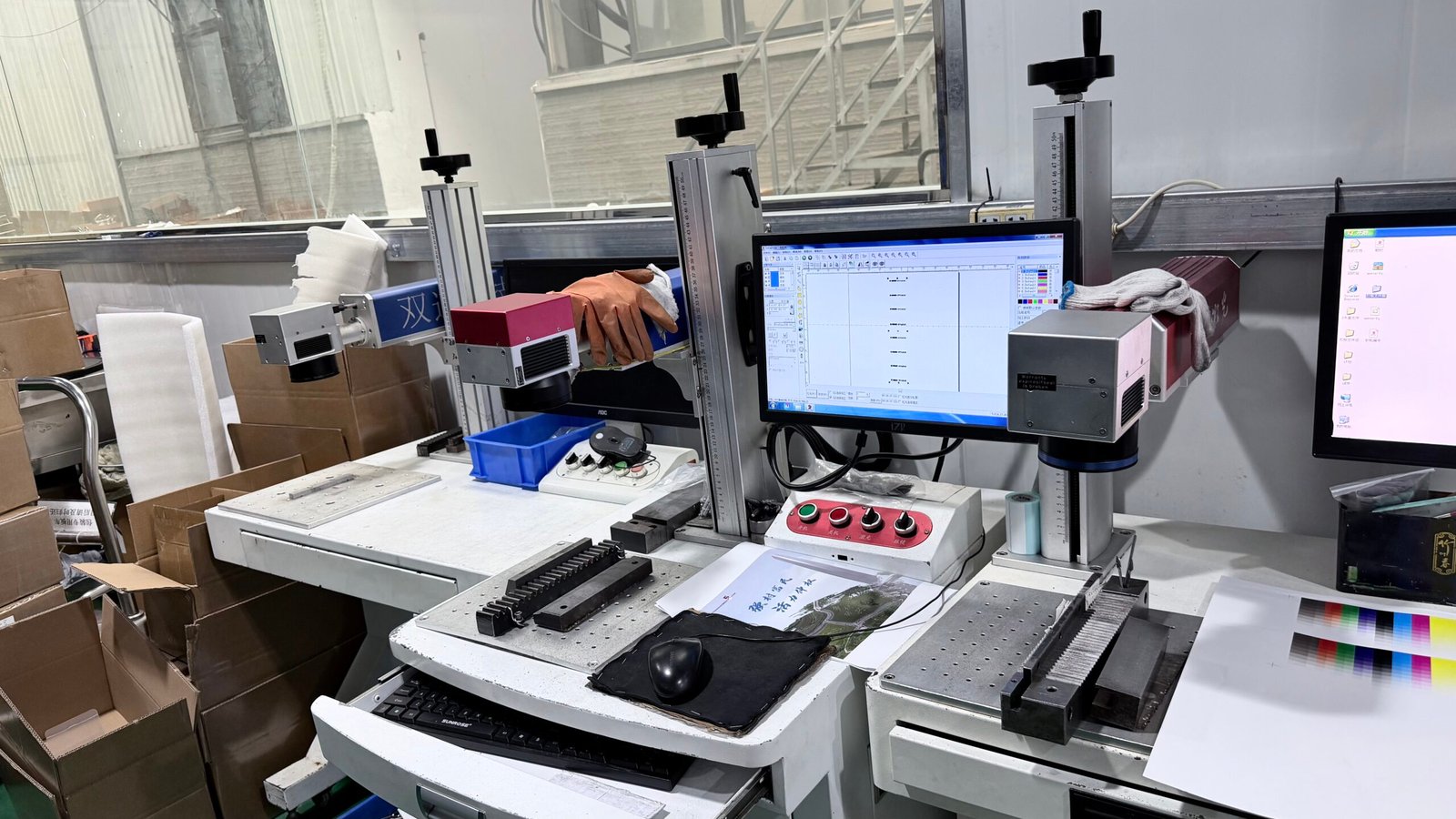
The most sophisticated buyers conduct on-site audits before supplier qualification. They want to see your actual processes, not just your documentation. This is why we've invested heavily in our manufacturing infrastructure—not just production capacity, but quality control equipment, environmental monitoring, and digital traceability systems.
What emerging technologies are transforming carbide tool manufacturing?
Manufacturing technology advancement isn't just about making tools faster—it's about meeting the precision and consistency requirements that modern applications demand while maintaining cost competitiveness.
Advanced manufacturing technologies including 5-axis CNC machining, automated quality inspection systems, digital twin simulation, and AI-powered process optimization are enabling carbide tool manufacturers to achieve previously impossible tolerances, reduce batch-to-batch variation, and provide data-driven quality documentation that satisfies stringent aerospace and medical device industry requirements while improving production efficiency by 20-35%[^6].
Precision CNC Machining and Automation
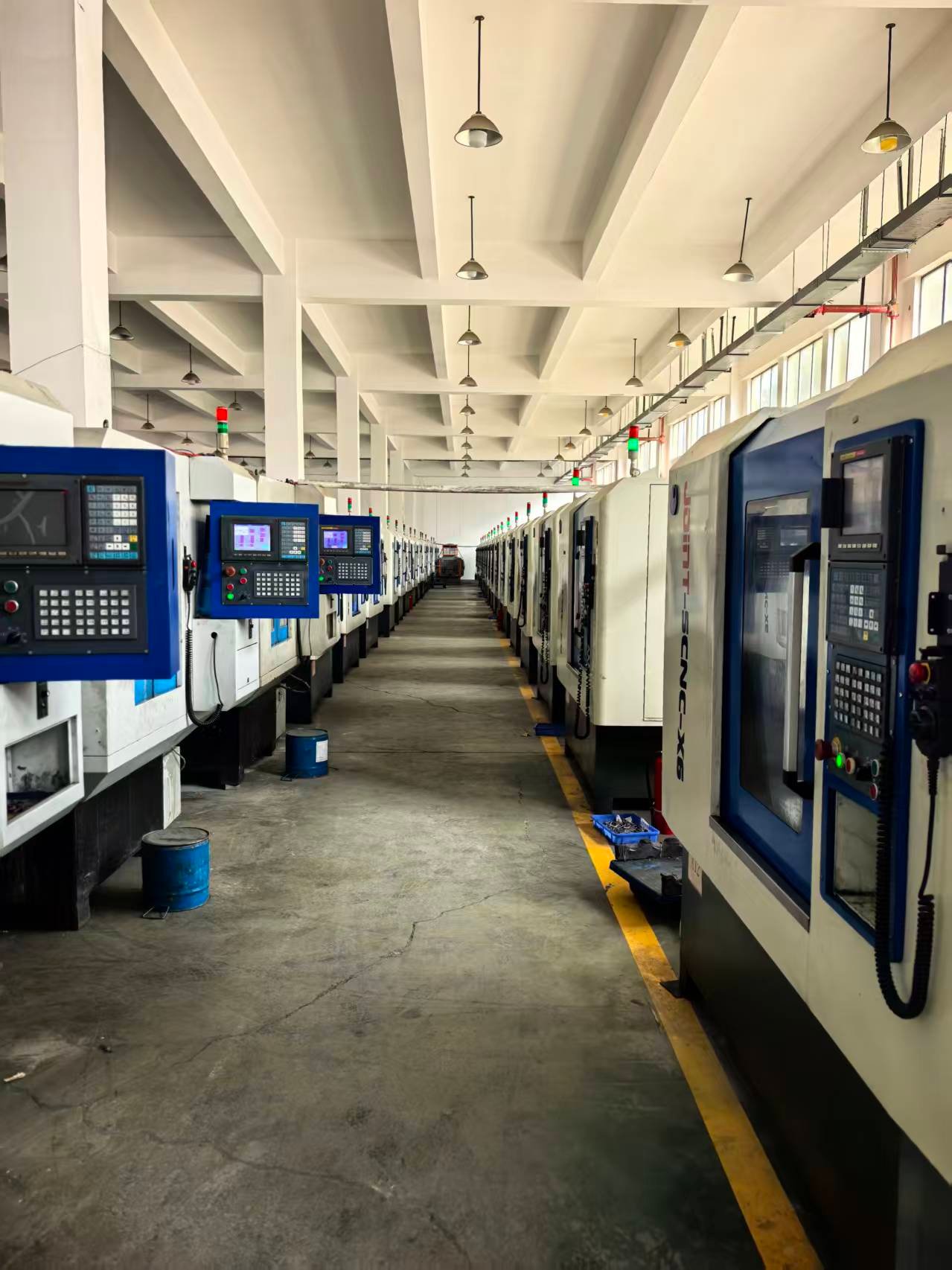
Our investment in 418 sets of 5-axis CNC machines wasn't just about capacity—it was about consistency. Traditional 3-axis machining requires multiple setups to create complex carbide burr geometries, each setup introducing potential variation. Five-axis simultaneous machining completes complex profiles in a single setup, dramatically improving geometric accuracy.
Advantages of advanced CNC automation:
- Repeatability: Machine-to-machine variation under 2 micrometers for critical dimensions
- Complex geometries: Ability to create specialized cuts (MX, diamond, chip breaker) with precise consistency
- Reduced operator influence: Automated tool changing and process control minimize human variation
- Data generation: Every part's manufacturing parameters recorded for traceability and process improvement
The real breakthrough comes when you network these machines into an integrated manufacturing system. We can track individual carbide burrs from raw material pressing through final inspection, with every process parameter recorded. When an aerospace customer asks about batch consistency, we can provide statistical data, not just assurances.
Digital Quality Control and Inspection Systems
Manual inspection has inherent limitations—inspector fatigue, subjective judgment, incomplete documentation. Modern automated inspection systems eliminate these variables while generating the documentation buyers increasingly demand.
Modern quality control technologies we've implemented:
| Technology | Application | Benefit |
|---|---|---|
| Automated optical inspection | Surface finish verification, geometric measurement | 100% inspection capability; consistent criteria; digital image documentation |
| Coordinate measuring machines (CMM) | Precise dimensional verification | Micrometers-level accuracy; statistical process control data; batch comparison |
| Automated hardness testing | HRA verification (our range: 90.3-91.5) | Eliminates operator variation; complete batch documentation |
| Digital imaging systems | Flute geometry verification | Permanent records; customer dispute resolution; process trend analysis |
The documentation these systems generate has become almost as valuable as the quality verification itself. When a medical device manufacturer conducts an audit, we can show them statistical evidence that our carbide burrs consistently meet specifications, complete with control charts demonstrating process stability over time.
Advanced Materials and Coating Technologies
Tungsten carbide itself continues to evolve. Our use of 100% pure tungsten carbide raw material represents the foundation, but surface treatments and grain size optimization significantly impact tool performance.
Emerging material technologies:
- Ultrafine grain carbides: Sub-micron grain sizes for improved edge sharpness and wear resistance
- Gradient structures: Varying composition from surface to core for optimized properties
- Advanced coating systems: TiAlN, TiCN, and diamond-like carbon coatings for specific applications
- Binder optimization: Alternative binder materials and ratios for specialized performance requirements
The challenge with advanced materials is validation. A new grain size or coating might show promising laboratory results, but qualifying it for aerospace or medical applications requires extensive testing and documentation. This is why material innovation often happens gradually—buyers need confidence that any change maintains or improves consistency.
Digital Twin and Process Simulation
The concept of a "digital twin"—a virtual replica of a physical manufacturing process—is moving from theoretical to practical in carbide tool production. By simulating sintering processes, for example, manufacturers can optimize temperature profiles, pressure curves, and timing without expensive physical experimentation.
Applications of digital twin technology:
- Sintering optimization: Modeling density gradients and dimensional changes during the sintering process
- Tool geometry simulation: Predicting cutting performance based on burr geometry before manufacturing
- Process parameter optimization: Identifying optimal CNC machining speeds, feeds, and tool paths
- Predictive maintenance: Monitoring machine condition to prevent unexpected downtime
- Quality prediction: Correlating process parameters with final product characteristics
We're still in the early stages of implementing these technologies, but the potential is significant. Imagine being able to predict with 95% confidence that a particular carbide burr design will meet a customer's performance requirements before cutting the first prototype. That's the promise of digital manufacturing technologies.
How are sustainability and circular economy principles affecting the industry?
Environmental responsibility has evolved from a nice-to-have marketing angle into a business requirement that directly impacts supplier selection and long-term partnership viability in the carbide tools sector.
Leading industrial buyers now evaluate carbide tool suppliers based on circular economy principles including carbide scrap recycling programs, manufacturing energy efficiency, waste reduction initiatives, and carbon footprint transparency—with some major automotive and aerospace manufacturers establishing supplier sustainability scorecards that directly influence purchase volume allocation and preferred supplier status qualification.
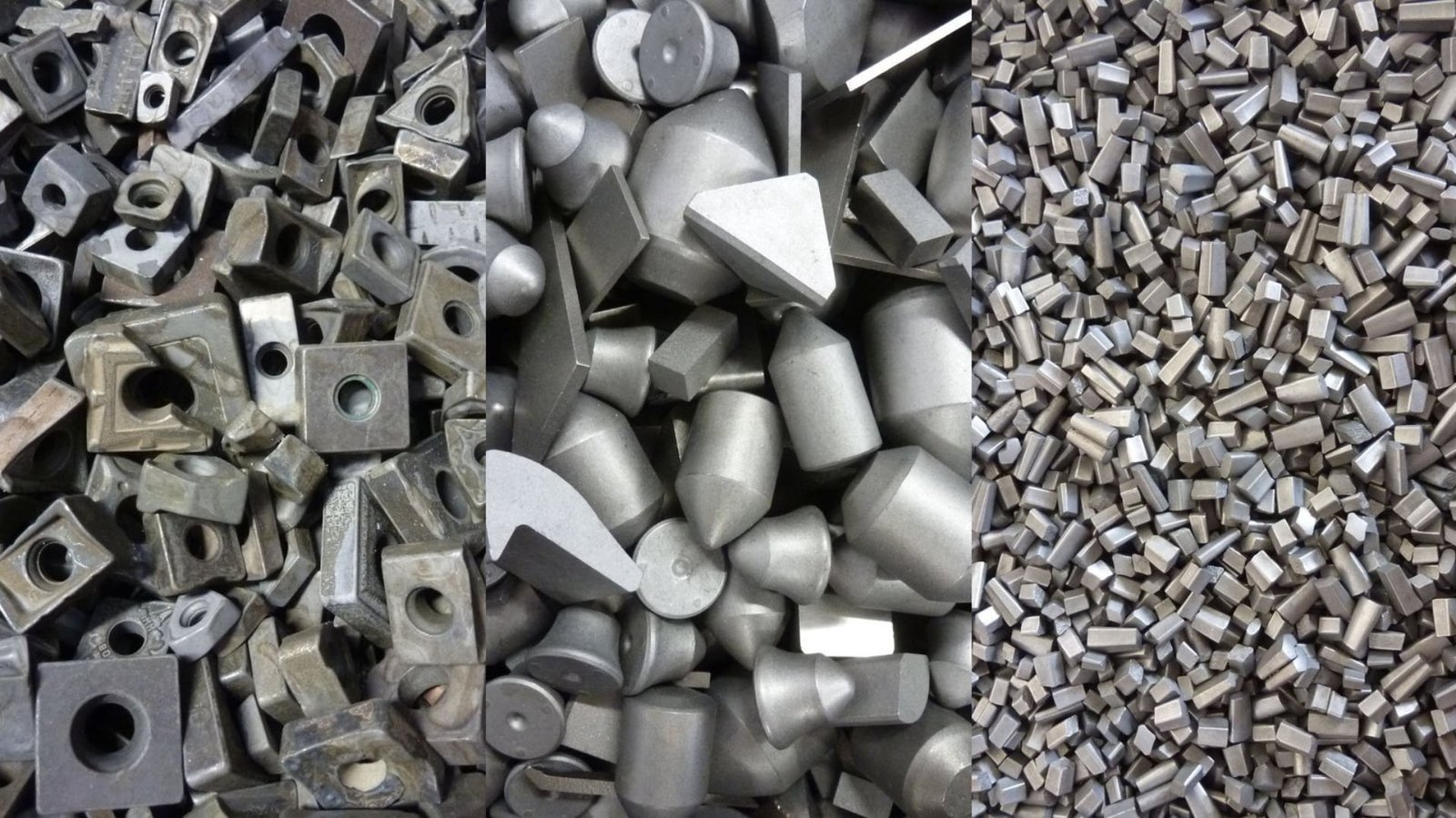
Carbide Recycling and Material Recovery
Tungsten carbide's high value and non-renewable nature make it an ideal candidate for circular economy principles. The recycling process can recover up to 95% of the tungsten content[^7] from used or scrap carbide tools, dramatically reducing environmental impact and raw material costs.
Joint Carbide's recycling initiative (launching through Hainan Joint Carbide) reflects this industry shift. We accept carbide scrap from customers and recycle it back into production-quality powder. This creates a closed-loop system that benefits everyone:
- Environmental benefit: Reduces mining impact and energy consumption compared to virgin tungsten production
- Economic benefit: Recycled carbide powder costs 20-40% less than virgin material while meeting identical specifications
- Supply security benefit: Reduces dependence on primary tungsten mining, which concentrates in specific geographic regions
- Relationship benefit: Creates ongoing customer engagement beyond initial tool sales
The technical challenge is maintaining quality. Recycled carbide can contain contaminants from its previous use, and the recycling process must remove these while preserving the tungsten carbide's properties. Our advantage comes from controlling both the recycling operation and final product manufacturing—we can verify recycled material meets our standards because we use it ourselves.
Manufacturing Energy Efficiency
Carbide tool production is energy-intensive, particularly the sintering process, which requires sustained high temperatures. Energy efficiency improvements directly reduce both costs and carbon footprint.
Energy reduction strategies in carbide manufacturing:
| Initiative | Energy Impact | Implementation Challenge |
|---|---|---|
| Modern sintering furnace technology | 15-25% reduction | High capital investment; production interruption during installation |
| Waste heat recovery systems | 8-12% reduction | Requires facility infrastructure modifications |
| LED lighting and facility upgrades | 5-8% reduction | Moderate cost; minimal disruption |
| Process optimization (reduced rework) | 10-15% reduction | Requires quality system improvements |
| Renewable energy integration | Variable (can offset 100% of grid power) | Dependent on location; significant investment |
I've had procurement managers specifically ask about our energy sources and efficiency initiatives. For some European buyers, this information factors into their supplier scoring systems alongside quality and
[^1]: "Carbide Tools Market Size, Share | Global Report [2026- ...", https://www.fortunebusinessinsights.com/carbide-tools-market-106914. Market research organizations track industrial cutting tools market size and project growth rates based on manufacturing sector trends, though specific figures vary among research firms and may reflect different product scope definitions. Evidence role: statistic; source type: research. Supports: global market valuation and compound annual growth rate for tungsten carbide tools. Scope note: Market sizing methodologies and product categorizations differ across research providers [^2]: "Disclosing the Use of Conflict Minerals", https://www.sec.gov/newsroom/press-releases/2012-2012-163-related-materials. US and EU regulations mandate due diligence and reporting on sourcing of tin, tantalum, tungsten, and gold from conflict-affected regions, primarily targeting supply chains linked to armed conflict in the Democratic Republic of Congo and surrounding countries. Evidence role: general_support; source type: government. Supports: legislative frameworks requiring disclosure of conflict mineral sourcing. [^3]: "AS9100", https://en.wikipedia.org/wiki/AS9100. AS9100 and ISO 13485 are internationally recognized quality management standards developed by standardization organizations, building upon ISO 9001 foundation with additional requirements specific to aerospace and medical device manufacturing respectively. Evidence role: definition; source type: institution. Supports: sector-specific quality management system standards for aerospace and medical device manufacturers. [^4]: "Registration, Evaluation, Authorisation and Restriction of Chemicals", https://en.wikipedia.org/wiki/Registration,_Evaluation,_Authorisation_and_Restriction_of_Chemicals. REACH is the European Union regulation addressing production and use of chemical substances, administered by the European Chemicals Agency (ECHA), requiring registration and safety assessment of chemicals manufactured or imported above specified tonnage thresholds. Evidence role: definition; source type: government. Supports: the official name and regulatory framework of the EU's chemical safety regulation. [^5]: "Conflict minerals law - Wikipedia", https://en.wikipedia.org/wiki/Conflict_minerals_law. Tungsten is classified among the 3TG minerals (tin, tantalum, tungsten, gold) subject to conflict mineral due diligence requirements under regulatory frameworks targeting supply chains that may finance armed groups in conflict-affected regions. Evidence role: definition; source type: government. Supports: tungsten's inclusion in the category of minerals subject to conflict sourcing regulations. [^6]: "Future manufacturing: How to solve the US productivity paradox", https://mitsloan.mit.edu/ideas-made-to-matter/future-manufacturing-how-to-solve-us-productivity-paradox. Manufacturing research indicates that integrated automation systems and advanced CNC technologies can deliver substantial efficiency improvements, though actual gains vary significantly based on baseline processes, implementation scope, and product complexity. Evidence role: statistic; source type: research. Supports: productivity improvements achievable through manufacturing automation and advanced machining technologies. Scope note: Efficiency improvement ranges reflect different starting points and technology combinations across facilities [^7]: "Recycling of tungsten carbide scrap metal: A review ...", https://experts.arizona.edu/en/publications/recycling-of-tungsten-carbide-scrap-metal-a-review-of-recycling-m/?ref=datadeep.tech. Technical literature on tungsten carbide recycling indicates that modern recovery processes can achieve high tungsten extraction rates from carbide scrap, though actual recovery percentages depend on feed material quality, contamination levels, and specific recovery methodology employed. Evidence role: statistic; source type: research. Supports: tungsten recovery rates achievable through carbide recycling processes. Scope note: Recovery rates vary based on scrap quality and processing technology used