
Common Procurement Pitfalls and Solutions for Tungsten Carbide Tools?
After nearly two decades helping manufacturers source tungsten carbide tools, I've watched countless procurement teams stumble over the same costly mistakes. Last month, a automotive parts manufacturer contacted us after receiving 5,000 carbide burrs that looked perfect on paper but crumbled during their first production run. Their purchasing department had saved 30% on unit cost while creating a six-figure problem. This pattern repeats across industries — procurement decisions that optimize for price alone often maximize total cost of ownership.
Tungsten carbide tool procurement commonly fails due to three critical pitfalls: selecting suppliers based solely on lowest quoted price without verification of material quality, accepting dimensional tolerances that don't match application requirements, and overlooking supply chain stability for just-in-time manufacturing environments. Successful procurement requires material certification verification, dimensional inspection protocols, and supplier production capacity audits to ensure tools meet both immediate performance needs and long-term operational reliability.
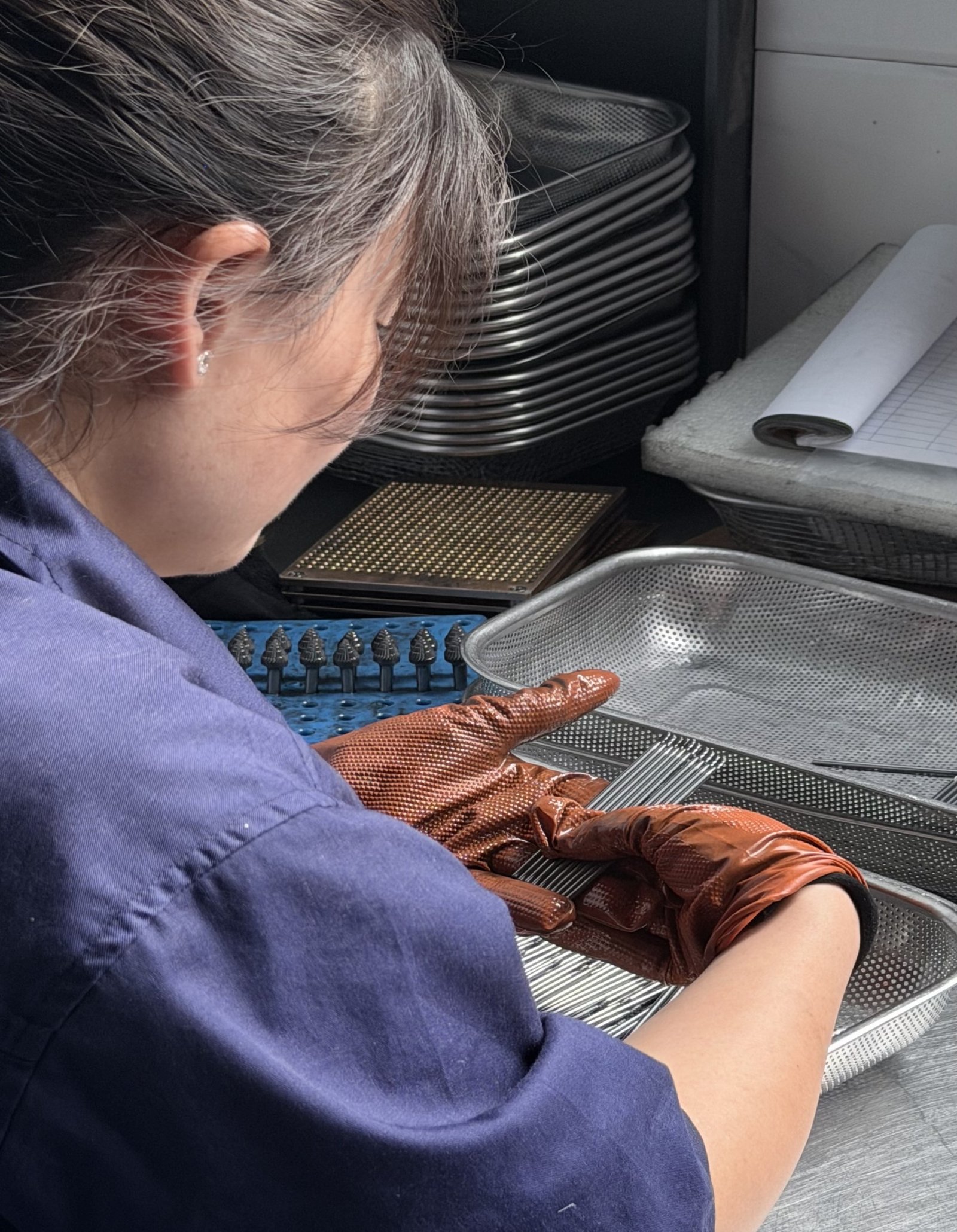
The procurement landscape for tungsten carbide tools has grown more complex as global supply chains expand. Understanding where buyers typically make errors — and how to systematically prevent them — separates procurement professionals who deliver value from those who simply process purchase orders. Let's examine the specific pitfalls that create the most operational disruption and the verification frameworks that protect your manufacturing operations.
What Makes Low-Price Tungsten Carbide Tools a High-Risk Procurement Decision?
The initial purchase price represents the smallest fraction of tungsten carbide tool ownership costs. I've analyzed procurement outcomes across hundreds of B2B transactions, and the pattern is unmistakable: tools purchased at 20-40% below market rates typically generate 3-5x their cost savings in operational losses.
Low-price tungsten carbide tools create risk through inferior raw material composition, inconsistent manufacturing processes, and shortened service life that increases changeover frequency and reduces production uptime. The true cost emerges through premature tool failure, inconsistent surface finishes, increased scrap rates, and unplanned production stoppages that far exceed the initial price difference.
The Material Composition Problem
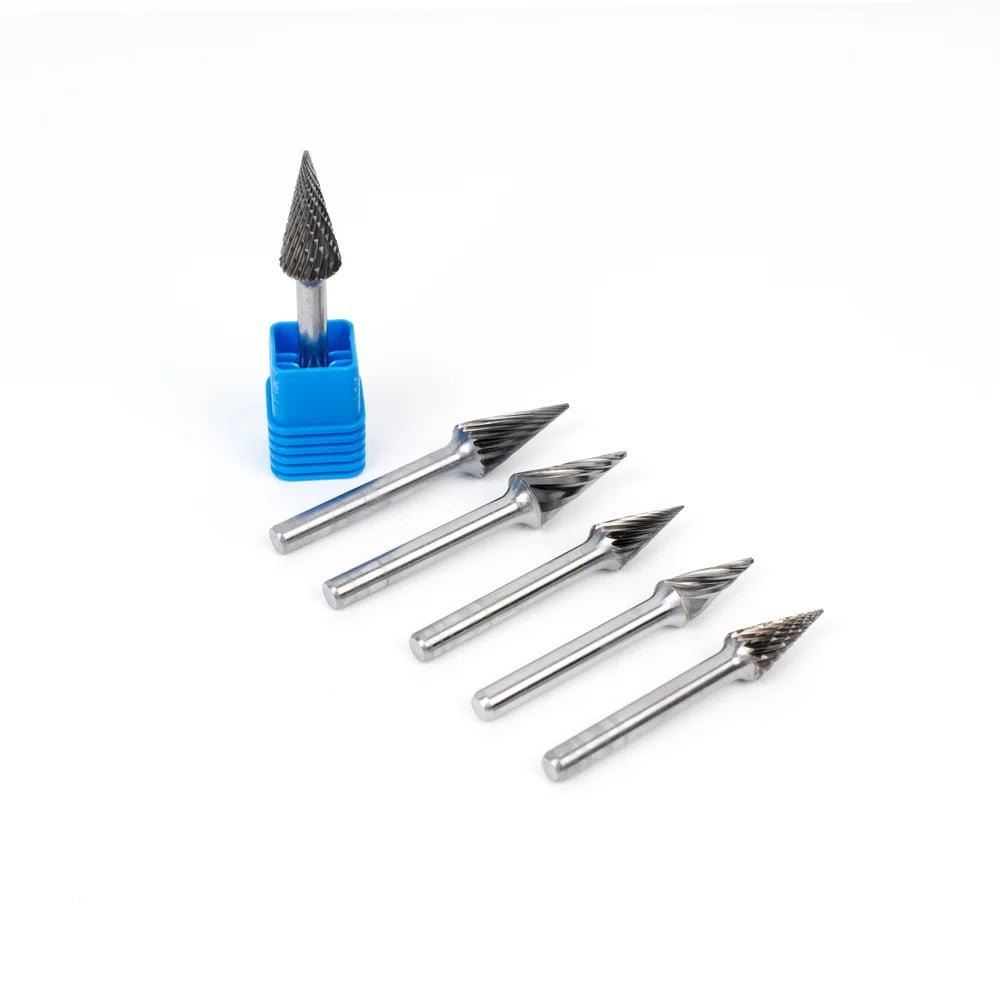
Pure tungsten carbide content directly determines tool performance and longevity[^1]. Premium carbide burrs use 100% tungsten carbide blanks[^2], while budget alternatives often substitute cheaper metal powders or use recycled carbide with unknown contamination profiles.
When I visit factories, the material verification process reveals the difference immediately. Legitimate manufacturers provide:
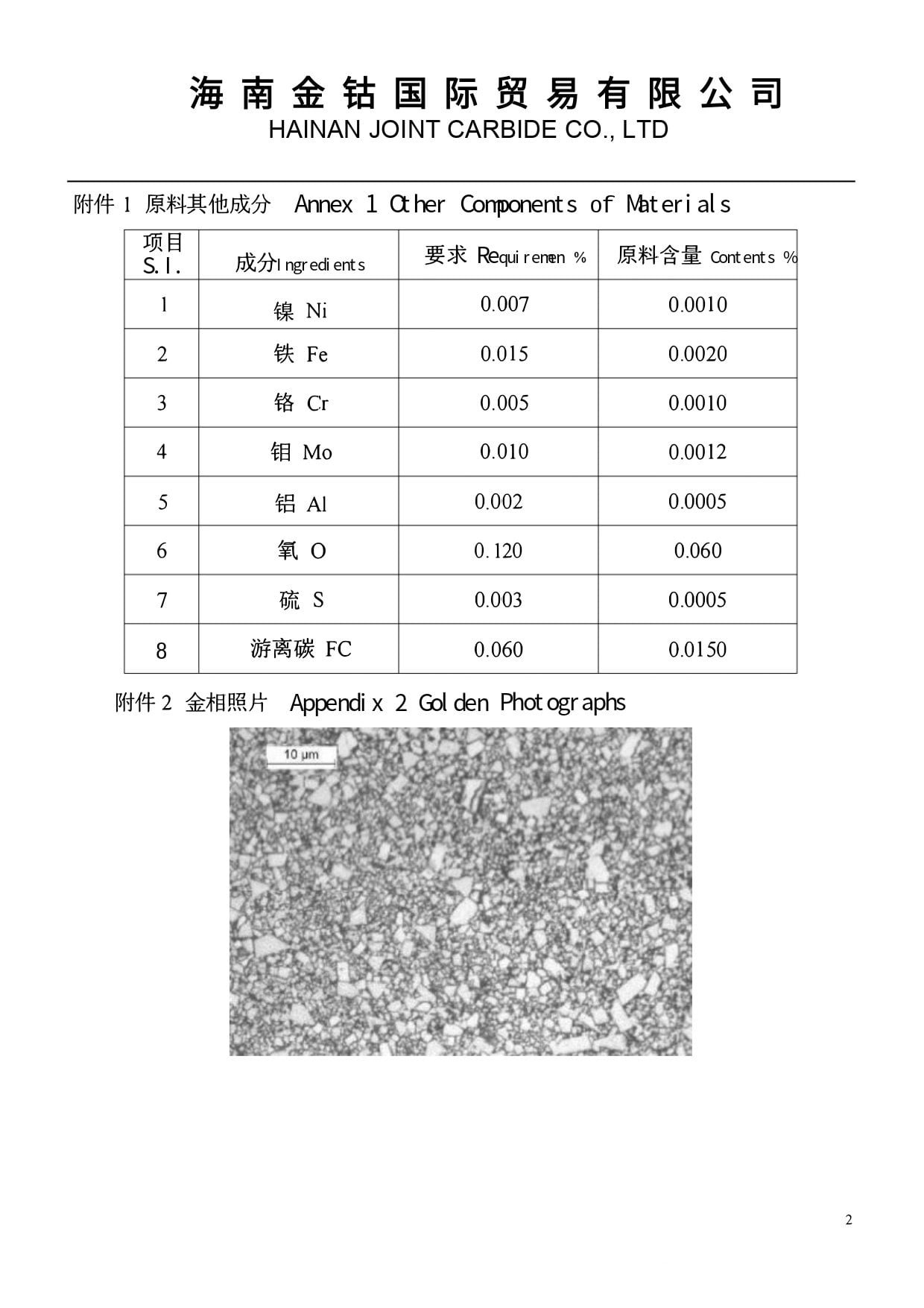
- Material certificates from raw material suppliers showing tungsten carbide purity levels
- Hardness testing results demonstrating HRA 90.3–91.5 ranges for cutting edges
- Grain size analysis confirming submicron carbide particle consistency[^3]
- Cobalt binder percentage documentation for specific application requirements
Budget suppliers rarely produce these documents because their material composition varies batch-to-batch. One aerospace component supplier I worked with discovered their "tungsten carbide" burrs contained only 60% actual carbide — the remainder was cheaper metal filler that wore down in minutes rather than hours.
Manufacturing Process Shortcuts
Cost reduction in carbide tool manufacturing comes from eliminating precision steps that ensure consistent performance:
| Manufacturing Stage | Premium Process | Budget Shortcut | Performance Impact |
|---|---|---|---|
| Wet Grinding | Multi-stage with particle size control | Single-pass insufficient refinement | Inconsistent blank density |
| Pressing | High-pressure isostatic pressing[^4] | Lower pressure conventional pressing | Structural weak points |
| Sintering | Controlled atmosphere, precise temperature curves[^5] | Batch processing with temperature variation | Unpredictable hardness |
| Fluting | 5-axis CNC with tool path optimization | Manual or 3-axis with approximate geometry | Poor chip evacuation |
| Finishing | Individual inspection and edge honing | Batch processing without verification | Variable cutting edge quality |
I visited a procurement manager at a mold-making facility who switched to a budget carbide burr supplier to meet quarterly cost reduction targets. Their first batch showed 40% variation in flute depth across the same SKU. The irregular geometry caused inconsistent material removal rates, forcing operators to manually adjust feed rates throughout each job. The "savings" disappeared within the first week as labor costs doubled and surface finish rejection rates climbed to 23%.
Service Life Economics
The relationship between purchase price and operational cost becomes clear when you calculate tool replacement frequency:
Premium carbide burr example:
- Purchase price: $12.50 per piece
- Service life: 8 hours continuous machining
- Tools per 40-hour week: 5 pieces
- Weekly tool cost: $62.50
Budget carbide burr example:
- Purchase price: $7.50 per piece (40% savings)
- Service life: 2.5 hours continuous machining
- Tools per 40-hour week: 16 pieces
- Weekly tool cost: $120.00
The apparent 40% unit cost savings creates a 92% increase in weekly operational cost — before accounting for additional changeover time, increased scrap rates, and operator frustration with inconsistent tool performance.
A manufacturing engineering director at a heavy equipment manufacturer shared data showing that premium carbide burrs delivered 220% longer service life while maintaining consistent cutting performance throughout their life cycle. Budget alternatives showed rapid performance degradation after the first hour, requiring operators to increase feed pressure and accept lower surface quality.
How Do Dimensional Variations Disrupt Manufacturing Operations?
Tungsten carbide tools operate within mechanical systems designed for specific tolerances. When tool dimensions drift outside specification ranges, the cascading effects ripple through entire production processes. Dimensional accuracy isn't a quality-of-life improvement — it's a fundamental requirement for predictable manufacturing outcomes.
Dimensional variations in tungsten carbide tools cause three critical failures: incompatibility with tool holding systems creating runout and vibration, inconsistent material removal rates requiring constant process parameter adjustments, and unpredictable finished part dimensions that increase quality control rejection rates. Procurement specifications must define tolerance ranges for shank diameter, cutting head geometry, and overall length to ensure manufacturing process stability.
Shank Diameter Tolerance Impact
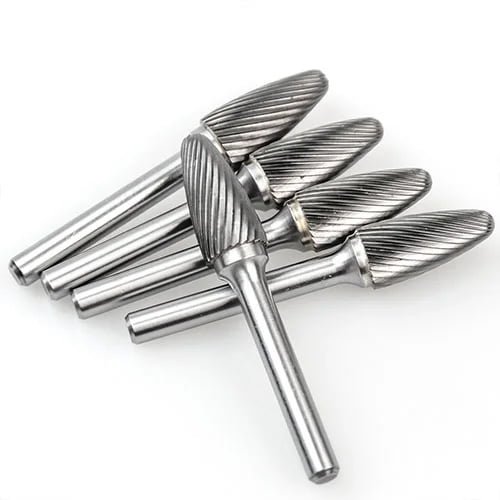
The standard 1/4 inch (6.35mm) shank diameter appears straightforward until you encounter the reality of global manufacturing tolerances. I've measured incoming carbide burr shipments showing shank diameter variations from 6.28mm to 6.42mm within the same order.
This 0.14mm variation creates immediate operational problems:
Undersized shanks (6.28-6.32mm):
- Insufficient grip force in collet chucks
- Tool slippage during high-load operations
- Excessive runout causing vibration and poor surface finish
- Safety hazards from potential tool ejection
Oversized shanks (6.38-6.42mm):
- Inability to fully seat in collet systems
- Collet damage from forced installation
- Uneven clamping pressure creating lateral stress
- Premature collet replacement costs
A precision machining workshop discovered their dimensional quality problems traced back to carbide burr shank variations. They implemented incoming inspection protocols and rejected 18% of their first shipment from a new supplier. The dimensional issues would have created dozens of scrapped parts before operators identified the root cause.
Cutting Head Geometry Consistency
The relationship between cutting head diameter, flute geometry, and material removal rates determines process predictability. When these dimensions vary, manufacturing engineers lose process control.
Consider a typical cylindrical carbide burr specification:
- Nominal head diameter: 6.0mm
- Acceptable tolerance: ±0.05mm
- Flute depth: 0.8mm
- Acceptable tolerance: ±0.03mm
When suppliers exceed these tolerance ranges, the consequences multiply:
-
Material Removal Rate Variation: A 0.1mm diameter difference changes the cutting surface area by approximately 5%, directly affecting how much material the tool removes per revolution.
-
Surface Finish Inconsistency: Flute depth variations change chip evacuation efficiency, causing some tools to produce smooth finishes while others leave visible tool marks.
-
Operational Speed Limits: Oversized cutting heads create higher centrifugal forces, requiring speed reductions that extend cycle times.
-
Tool Life Unpredictability: Dimension variations change heat generation and cutting force distribution, making it impossible to establish reliable tool change schedules.
I worked with a medical device manufacturer whose dimensional tolerance problems seemed mysterious at first. They experienced random surface finish failures on surgical instrument components, occurring on approximately 1 in 8 parts. Detailed analysis revealed their carbide burr supplier delivered cutting head diameters ranging from 5.92mm to 6.14mm — well outside the specified ±0.05mm tolerance. Each tool produced different surface characteristics, and operators had no way to predict which tools would create quality issues.
Overall Length Specifications
Tool length affects reach into complex geometries and determines proper tool setup in CNC programs. Length variations force constant machine setup adjustments and create opportunities for programming errors.
Standard length problems:
- CNC tool length offset errors causing part dimensional inaccuracies
- Inability to reach required depths in cavity machining
- Interference with workholding fixtures
- Operator time spent measuring and compensating for length variations
A automotive mold manufacturer implementing lean manufacturing principles discovered that inconsistent carbide burr lengths added 3-7 minutes to every tool change. With 40+ tool changes per shift, the seemingly minor dimensional variation cost them 2-4.5 hours of production time daily. Their solution involved adding incoming inspection requirements to procurement contracts, with automatic rejection of any batch showing length variations exceeding ±0.5mm.
What Supply Chain Stability Factors Should Procurement Teams Evaluate?
Manufacturing operations built on just-in-time principles require supplier reliability that extends beyond product quality. Supply chain disruptions from tungsten carbide tool suppliers create cascading production delays, emergency expediting costs, and forced acceptance of inferior alternatives. Yet procurement teams often overlook supplier stability assessment in favor of technical specifications and price comparisons.
Supply chain stability for tungsten carbide tools requires evaluation of supplier production capacity, raw material sourcing diversification, quality consistency across production batches, and communication responsiveness during disruptions. Procurement risk mitigation includes minimum production capacity verification, backup supplier qualification, inventory buffer calculations, and contractual lead time guarantees to protect manufacturing schedules from supplier-side failures.
Production Capacity Verification
Supplier claims about production capacity rarely match actual capabilities under sustained order volumes. I've encountered numerous situations where suppliers accepted orders exceeding their realistic production capacity, creating delivery delays that cascaded through customer manufacturing schedules.
Critical capacity assessment questions:
- How many CNC machines are dedicated to carbide burr production?
- What is the documented daily production volume for your specific tool requirements?
- What percentage of current capacity is committed to existing customers?
- How does the supplier handle demand spikes during peak seasons?
- What backup equipment exists if primary machines experience downtime?
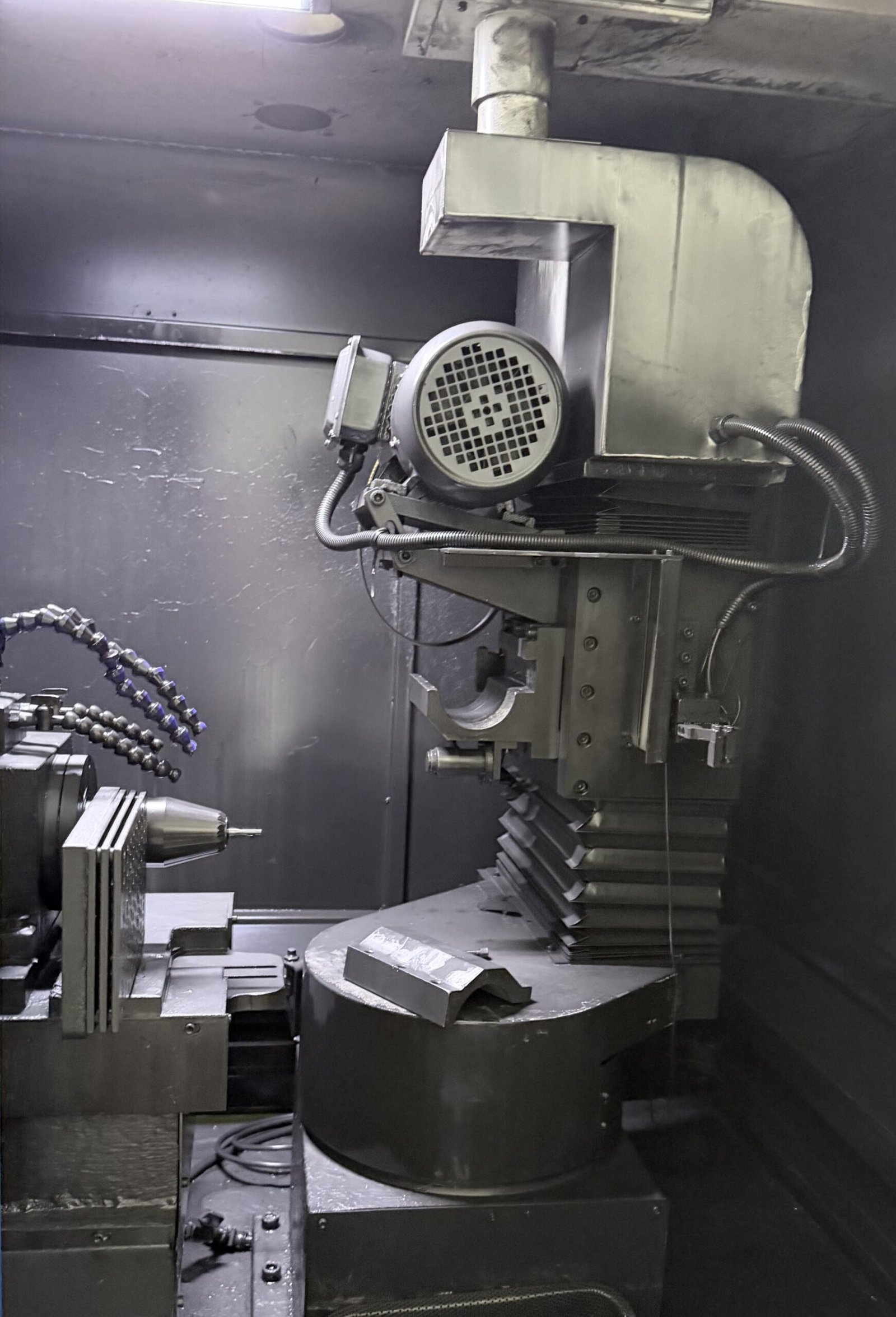
At Joint Carbide, we operate 418 sets of 5-axis CNC machines with daily production capacity reaching 25,000-30,000 pieces. This infrastructure provides buffer capacity for customer demand variations without compromising delivery schedules. When I visit potential suppliers during qualification audits, I specifically count operational machines versus idle equipment. Suppliers claiming 100-machine capacity while operating only 40 machines represent a red flag — they're either dramatically overstating capabilities or experiencing business problems that reduce production.
Raw Material Supply Chain Assessment
Tungsten carbide raw material availability fluctuates based on mining outputs, geopolitical factors, and global demand cycles. Suppliers without diversified raw material sources face production disruptions when their single-source provider experiences supply constraints.
A defense contractor shared their experience with a carbide tool supplier who couldn't fulfill a critical order because their sole raw material provider had temporary export restrictions. The supplier had no backup source, no material inventory buffer, and no communication protocol for managing the disruption. The contractor's $2.3 million assembly program faced a six-week delay while they emergency-qualified an alternative carbide burr supplier.
Material supply chain red flags:
- Inability to name specific raw material suppliers
- No documentation of material inventory levels
- Single-source dependency for tungsten carbide powder
- No material certification tracking system
- Resistance to sharing supply chain transparency
Joint Carbide maintains our complete supply chain from raw material through finished products across three manufacturing facilities. This vertical integration eliminates external supply chain dependencies that create vulnerability for customers relying on just-in-time delivery.
Batch-to-Batch Quality Consistency
Quality variation between production batches indicates process control problems that will eventually disrupt your manufacturing operations. Consistent quality across months and years of production requires robust manufacturing process controls and quality management systems.
I recommend requesting quality control data spanning at least six months of production:
| Quality Metric | Consistency Indicator | Acceptance Criteria |
|---|---|---|
| Hardness testing | Standard deviation across batches | 1.33 minimum |
| Surface finish | Ra measurements | <10% variation between batches |
| Tool life testing | Hours of continuous operation | <15% variation at same parameters |
A shipbuilding fabricator I worked with implemented batch tracking for their carbide burrs after experiencing intermittent quality problems. Analysis revealed that every fourth production batch from their supplier showed 25% reduced tool life. The supplier's quality control data showed they weren't monitoring batch consistency — they tested samples from each batch but never analyzed trends across multiple batches. The pattern indicated periodic problems with their sintering process that affected structural integrity.
Communication and Problem Resolution Capability
Supplier responsiveness during disruptions separates strategic partners from transactional vendors. Manufacturing problems requiring immediate carbide tool solutions don't respect business hours or geographic time zones.
Evaluate communication capabilities:
- Is there a dedicated account manager for your business?
- What are guaranteed response times for technical questions?
- How does the supplier handle emergency orders requiring accelerated delivery?
- What escalation path exists for quality problems or delivery delays?
- Does the supplier proactively communicate potential disruptions?
I remember a aerospace component manufacturer who discovered a critical quality issue on Friday afternoon. Their carbide burr supplier had a technical team available who analyzed photographs, confirmed the problem source, and expedited a replacement shipment that arrived Monday morning. That level of responsiveness prevented a production shutdown that would have cost $180,000 in lost output and contractual penalties.
Compare this with another manufacturer whose supplier took five days to acknowledge a quality complaint email, then required the customer to ship defective tools back for analysis before considering any corrective action. The 18-day resolution timeline cost the manufacturer three weeks of reduced production efficiency.
How Can Procurement Develop Effective Supplier Qualification Frameworks?
Systematic supplier qualification transforms tungsten carbide tool procurement from reactive purchasing to strategic sourcing. Without structured evaluation frameworks, procurement teams default to price comparison and sales presentation quality — the least reliable indicators of long-term supplier performance. Effective qualification requires documented assessment criteria, measurable performance standards, and ongoing monitoring protocols.
Supplier qualification frameworks for tungsten carbide tools must evaluate manufacturing capability, quality management systems, technical support resources, financial stability, and ethical business practices through site audits, documentation review, sample testing, and reference verification. Procurement teams should implement multi-stage qualification processes that prevent unsuitable suppliers from entering approved vendor lists while establishing performance baselines for ongoing relationship management.
Manufacturing Capability Assessment
Site audits reveal operational realities that supplier marketing materials carefully obscure. I conduct manufacturing assessments focusing on five critical capability indicators:
1. Equipment Technology and Maintenance Modern 5-axis CNC machines produce superior flute geometry compared to older 3-axis equipment. During facility tours, I examine:
- CNC machine age and technology generation
- Preventive maintenance documentation and schedules
- Tooling quality used in their own production processes
- Environmental controls for temperature and humidity
- Machine utilization rates and production scheduling systems
2. Process Control Documentation ISO 9001 certification represents minimum quality system requirements[^7], but documentation depth indicates actual implementation quality. Request:
- Standard operating procedures for each manufacturing stage
- Process parameter specifications and tolerance ranges
- Statistical process control charts showing trend analysis
- Non-conformance tracking and corrective action records
- Calibration schedules for measurement equipment
3. Material Flow and Inventory Management Raw material handling practices directly affect product consistency. Evaluate:
- Raw material receiving inspection procedures
- Storage conditions preventing contamination or degradation
- First-in-first-out (FIFO) inventory rotation systems
- Work-in-process tracking through production stages
- Finished goods inspection and quarantine protocols
4. Technical Expertise and Engineering Support Complex carbide tool applications require engineering collaboration. Assess:
- Education and experience levels of technical staff
- Availability of application engineering support
- Custom tool design and prototyping capabilities
- Material science knowledge for application-specific recommendations
- Problem-solving approach for non-standard requirements
5. Production Scalability Current capacity means little without understanding growth potential. Determine:
- Unused capacity available for volume increases
- Capital investment plans for equipment expansion
- Workforce availability and training programs
- Facility space for additional production lines
- Supply chain flexibility for raw material volume increases
A medical device manufacturer I consulted for implemented a 100-point facility assessment checklist. Suppliers scoring below 75
[^1]: "Effect of Tungsten Carbide Additions on the Microstructure, Mechanical ...", https://ui.adsabs.harvard.edu/abs/2025JMEP...34.2553Z/abstract. The properties of cemented tungsten carbides depend primarily on carbide grain size, cobalt binder content, and contiguity of the carbide phase, with these microstructural factors controlling hardness, toughness, and wear resistance. Evidence role: mechanism; source type: research. Supports: How tungsten carbide composition affects mechanical properties and tool performance. Scope note: Performance also depends significantly on manufacturing quality and application conditions [^2]: "Tungsten carbide", https://en.wikipedia.org/wiki/Tungsten_carbide. Industry specifications for tungsten carbide cutting tools typically define composition requirements for premium-grade tools, though exact formulations vary by application and manufacturer standards. Evidence role: general_support; source type: research. Supports: The material composition standards for tungsten carbide cutting tools. Scope note: Standards may vary by industry sector and intended application [^3]: "Wear Characteristics of WC-Co Cutting Tools Obtained by the ...", https://pmc.ncbi.nlm.nih.gov/articles/PMC12387649/. Research on cemented carbides demonstrates that finer grain sizes (submicron to ultrafine) generally produce higher hardness and wear resistance, though at some cost to toughness. Evidence role: mechanism; source type: research. Supports: How carbide particle size affects mechanical properties and cutting performance. [^4]: "High-strength silicon carbides by hot isostatic pressing - NASA Technical ...", https://ntrs.nasa.gov/citations/19890004295. Isostatic pressing techniques apply uniform pressure from all directions during carbide consolidation, producing more homogeneous density distribution compared to uniaxial pressing methods. Evidence role: mechanism; source type: education. Supports: The role of isostatic pressing in tungsten carbide manufacturing and its effects on material properties. Scope note: Application varies by manufacturer and product requirements [^5]: "Tungsten carbide", https://en.wikipedia.org/wiki/Tungsten_carbide. The sintering process for tungsten carbide-cobalt materials requires precise temperature control (typically 1350-1500°C) and protective atmospheres to prevent oxidation and achieve target density and grain structure. Evidence role: mechanism; source type: research. Supports: How sintering atmosphere and temperature control affect tungsten carbide microstructure and properties. [^6]: "6.1.6. What is Process Capability?", https://www.itl.nist.gov/div898/handbook/pmc/section1/pmc16.htm. Process capability indices Cp and Cpk quantify how well a manufacturing process can produce output within specification limits, with Cpk values above 1.33 generally indicating acceptable capability for most industrial applications. Evidence role: definition; source type: education. Supports: The definition and interpretation of Cp and Cpk process capability indices. Scope note: Acceptable values vary by industry criticality and quality requirements [^7]: "ISO 9000 family - Wikipedia", https://en.wikipedia.org/wiki/ISO_9000_family. ISO 9001 is an international standard that specifies requirements for quality management systems, focusing on consistent product/service delivery, customer satisfaction, and continuous improvement rather than prescribing specific manufacturing processes. Evidence role: definition; source type: institution. Supports: The scope and requirements of ISO 9001 quality management certification. Scope note: The standard establishes management system frameworks rather than technical specifications for products