
Quality Certifications and Standards in Tungsten Carbide Tool Procurement: What Should B2B Buyers Verify?
When I first started working with international procurement teams at Joint Carbide, I noticed a pattern—buyers from Germany, Japan, and the US always asked about certifications before discussing price. One aerospace buyer told me bluntly: "Without proper documentation, your tools don't exist in our system." That conversation changed how I approach quality verification in tungsten carbide procurement.
Quality certifications and standards in tungsten carbide tool procurement serve as the foundation for supplier qualification in B2B industrial purchases. ISO 9001 certification verifies manufacturing quality management systems[^1], while material composition certificates (like ISO 513 carbide grade designations) ensure product specifications match technical requirements. Industry-specific certifications—such as AS9100 for aerospace[^2] or IATF 16949 for automotive[^3]—provide additional verification that suppliers can consistently meet sector-specific quality demands throughout the production process.
Understanding which certifications matter for your specific application prevents costly production delays and quality failures. Different industries require different documentation levels, and knowing what to request during the RFQ phase saves weeks of back-and-forth communication.
What Core Quality Management Certifications Should Carbide Tool Suppliers Hold?
Every procurement officer needs a baseline checklist when qualifying new tungsten carbide suppliers. I remember reviewing proposals from 23 different manufacturers for a single automotive client—only 8 had the proper foundational certifications.
ISO 9001:2015 certification represents the universal baseline for carbide tool manufacturing quality management systems. This certification demonstrates that a supplier maintains documented processes for design control, production consistency, inspection procedures, corrective actions, and continuous improvement—all critical for maintaining dimensional tolerances and material properties in precision carbide tools across production batches.
The ISO 9001 Framework for Carbide Production
ISO 9001 certification isn't just a document on the wall—it's a complete management structure that affects every production stage. At Joint Carbide's three manufacturing facilities, our ISO 9001 system covers specific controls that matter for carbide burr production:
Raw Material Verification
- Tungsten carbide powder composition testing (cobalt binder percentage verification)
- Grain size distribution measurement before pressing
- Impurity analysis to prevent contamination
- Lot traceability from powder suppliers
Production Process Controls
- Wet grinding parameters monitoring (particle size targets)
- Pressing force and duration documentation for each blank
- Sintering temperature curves with automated recording
- Furnace atmosphere composition verification
Dimensional Inspection Protocols
- First article inspection requirements with measurement reports
- In-process gauge checks at fluting stations
- Final inspection sampling plans based on batch size
- Calibrated measurement equipment with certification records
Non-Conformance Management
- Root cause analysis procedures for out-of-spec products
- Corrective action implementation with effectiveness verification
- Customer complaint tracking and resolution documentation
The certification requires annual surveillance audits by accredited third-party bodies. When evaluating suppliers, request copies of recent audit reports—these reveal whether a manufacturer maintains active compliance or just displays an outdated certificate.
Additional Foundational Certifications
Beyond ISO 9001, several complementary certifications strengthen supplier qualification:
| Certification | Purpose | Relevance for Carbide Tools |
|---|---|---|
| ISO 14001[^4] | Environmental management systems | Controls hazardous material handling, waste carbide recycling processes |
| OHSAS 18001 / ISO 45001 | Occupational health and safety | Ensures safe handling of cobalt powder, proper ventilation in grinding areas |
| ISO 17025[^5] | Testing laboratory competence | Validates in-house hardness testing, dimensional measurement capabilities |
| RoHS Compliance[^6] | Restriction of hazardous substances | Required for European market access, limits cobalt content disclosure |
| REACH Registration[^7] | Chemical substance regulation | Mandatory for tungsten carbide exports to EU, addresses substance safety data |
I've seen purchasing departments reject otherwise qualified suppliers simply because they lacked environmental certifications required by corporate sustainability policies. Check your organization's vendor requirements before shortlisting candidates.
Which Industry-Specific Certifications Matter for Specialized Carbide Tool Applications?
Different end-use sectors impose unique quality requirements on carbide tool suppliers. I learned this firsthand when an aerospace customer rejected our standard burrs despite perfect dimensional specs—we needed AS9100 certification to even participate in their supplier program.
Industry-specific certifications like AS9100 for aerospace, IATF 16949 for automotive, and ISO 13485 for medical devices build upon ISO 9001 with additional requirements for traceability, risk management, and documentation control. These certifications verify that carbide tool manufacturers understand sector-specific failure consequences and implement appropriate controls for critical characteristics, configuration management, and supply chain oversight beyond general manufacturing standards.
Aerospace Industry Certifications (AS9100)
The aerospace sector treats carbide cutting tools as critical manufacturing aids that affect final aircraft component quality. AS9100 certification extends ISO 9001 requirements with aerospace-specific controls:
Configuration Management Requirements
- Engineering change notice (ECN) tracking for tool design modifications
- First article inspection reports (FAIR) with full dimensional data
- Material composition certificates traceable to specific heat lots
- Serialization or lot coding for complete traceability
Risk Management Protocols
- Failure modes and effects analysis (FMEA) for critical tool characteristics
- Control plans identifying special characteristics with enhanced inspection
- Statistical process control (SPC) for key dimensions like cutting edge radius
- Counterfeit parts prevention procedures for raw materials
Documentation Control Standards
- Record retention requirements (typically 10+ years for aerospace tooling)
- Approved supplier list maintenance with periodic re-qualification
- Calibration certificates for all measurement equipment with NIST traceability
- Non-conforming material segregation and disposition procedures
At Joint Carbide, our AS9100 certification required implementing heat lot traceability for tungsten carbide powder—every burr can be traced back to the specific powder batch, sintering furnace run, and inspection records. This level of documentation increases production costs by approximately 8-12%, but aerospace customers won't accept suppliers without it.
Automotive Industry Certification (IATF 16949)
Automotive manufacturers prioritize production consistency and cost control through their IATF 16949 standard. This certification emphasizes:
- Product safety controls for tools used in manufacturing safety-critical components (brake systems, steering assemblies)
- Zero-defect strategies including mistake-proofing (poka-yoke) at production stations
- Customer-specific requirements documentation and compliance verification
- Production part approval process (PPAP) with submission requirements before serial delivery
- Advanced product quality planning (APQP) methodology for new tool development
One automotive customer required us to maintain minimum inventory levels of specific carbide burr profiles—part of IATF 16949's supply chain continuity requirements. The certification forces suppliers to think beyond individual orders toward sustained production capability.
Medical Device Manufacturing (ISO 13485)
Medical device manufacturers need carbide tools for producing surgical instruments, implants, and precision medical components. ISO 13485 certification addresses:
Biocompatibility Documentation
- Material safety data sheets (MSDS) for carbide composition
- Certification that tools don't introduce contaminants into medical-grade materials
- Cleaning and sterilization protocols for tools used in clean-room environments
Validation Requirements
- Installation qualification (IQ), operational qualification (OQ), and performance qualification (PQ) for new tooling
- Process validation demonstrating consistent results over multiple production runs
- Tool life validation with documented replacement intervals
Traceability Standards
- Unique device identification (UDI) compatible marking systems
- Surgical instrument manufacturing traceability to specific tool batches
- Complaint handling systems integrated with medical device vigilance reporting
Medical industry buyers typically require more extensive material composition documentation than other sectors—expect to provide detailed chemical analysis reports showing exact cobalt binder percentages, impurity levels below specified thresholds, and grain size distribution data.
Defense and Military Specifications
Defense contractors often reference military specifications (MIL-SPEC) alongside general certifications:
- MIL-STD-45662: Calibration system requirements for measurement equipment
- MIL-I-45208: Military specification for inspection systems
- ITAR Compliance: International Traffic in Arms Regulations for export-controlled tooling
- DFARS Compliance: Defense Federal Acquisition Regulation Supplement for domestic sourcing
I've encountered situations where defense buyers required "domestic manufacturing" certifications proving that carbide burrs were produced entirely within their country's borders—no imported raw materials or sub-assembly work allowed. These requirements severely limit supplier options and typically increase procurement costs by 25-40%.
How Can Buyers Verify Material Composition and Performance Standards for Tungsten Carbide?
Product certifications mean little without verified material quality. I remember a case where a supplier presented perfect ISO documentation but shipped carbide burrs that chipped after 20 minutes of use—their hardness certificates turned out to be generic templates, not actual test results.
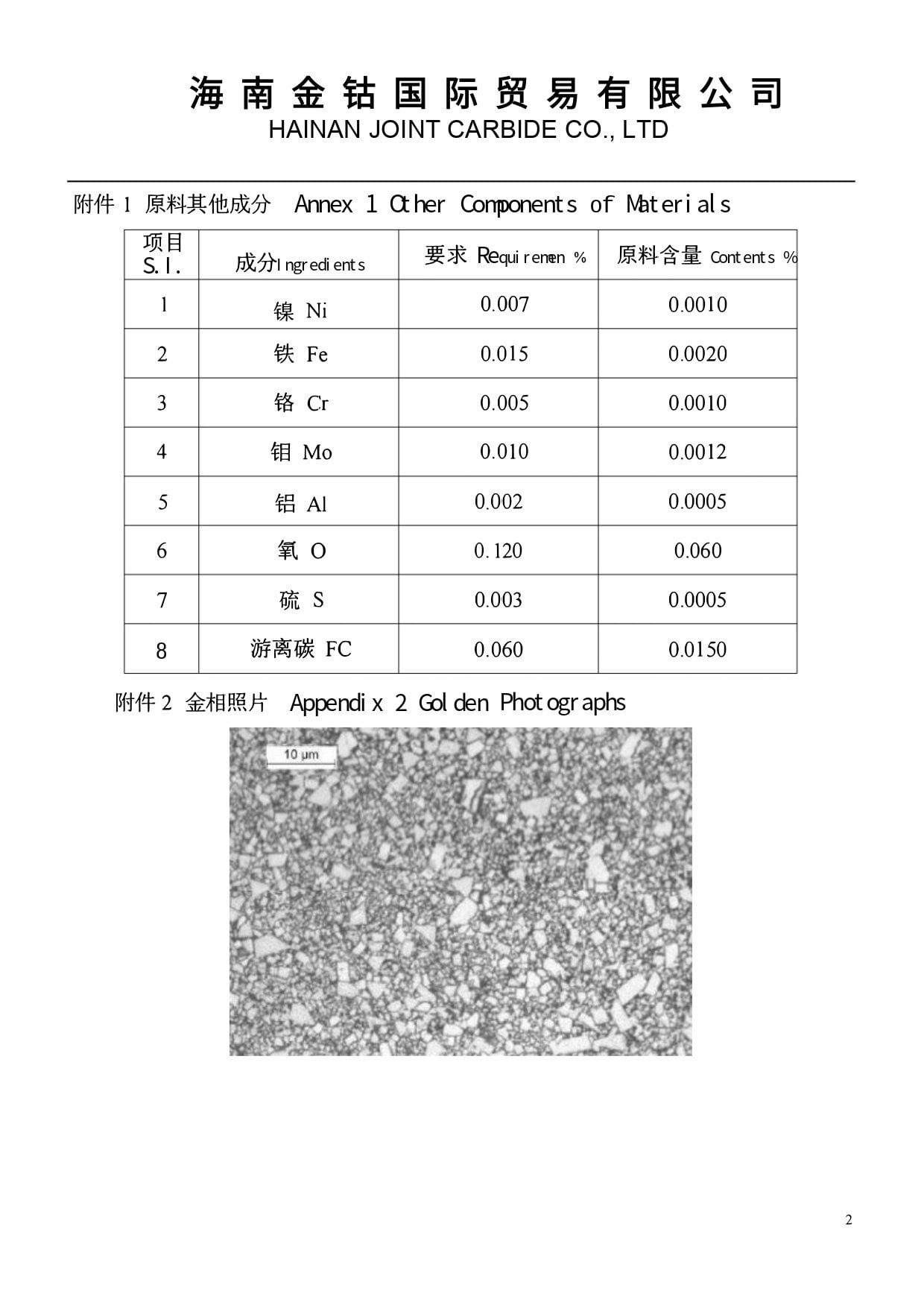
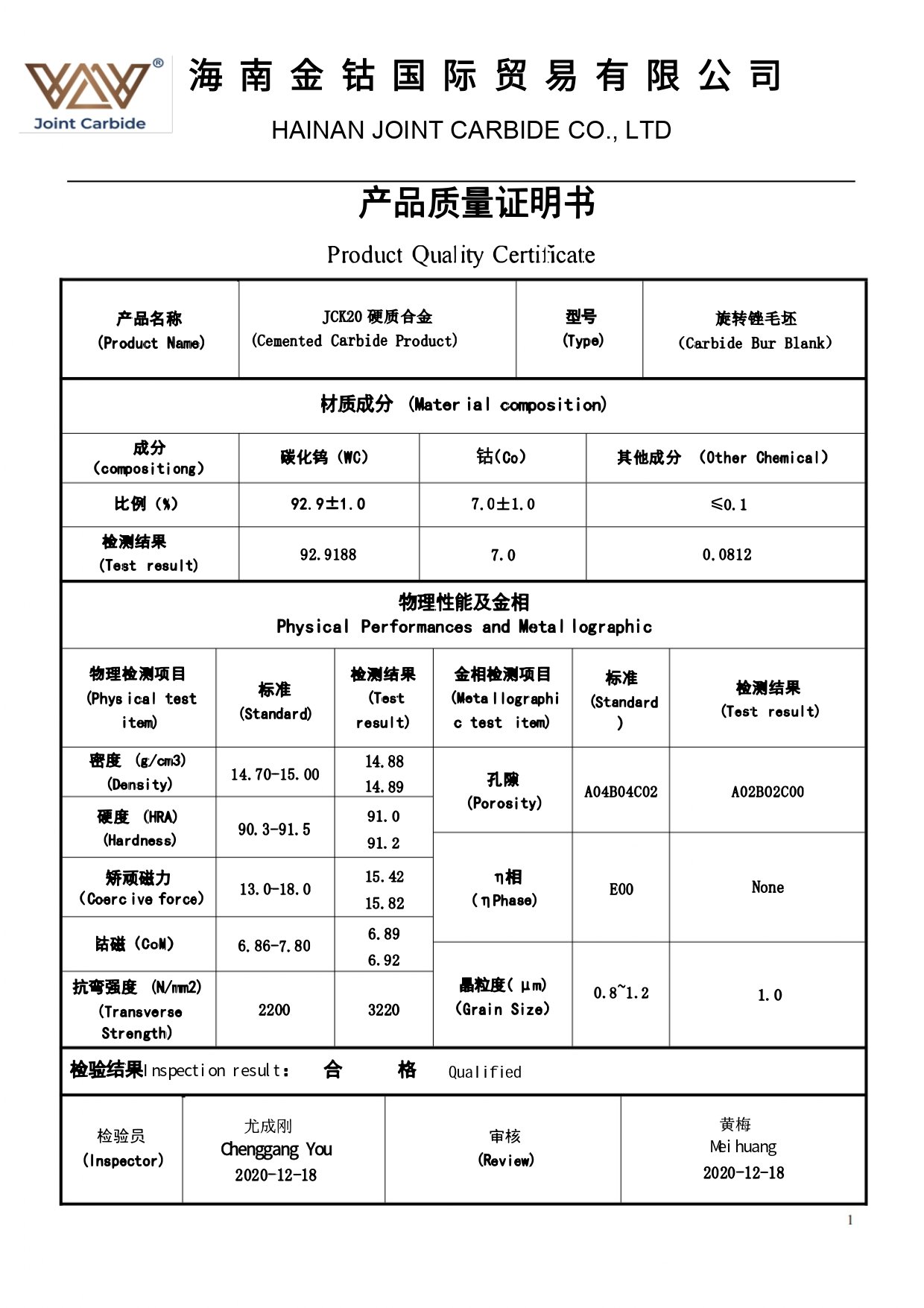
Material composition verification for tungsten carbide tools requires three types of documentation: chemical composition analysis certificates showing tungsten carbide percentage and cobalt binder ratio; hardness test reports confirming HRA values within specified ranges (typically HRA 90.3-91.5 for premium carbide burrs); and grain size analysis results measured in micrometers. ISO 513 provides standardized carbide grade designations that link these material properties to application categories, enabling buyers to match certified material specifications with intended machining operations.
Understanding ISO 513 Carbide Classification
ISO 513 establishes a standardized system for classifying carbide materials based on their machining applications. The standard uses a color-coding and letter-coding system:
| ISO Code | Color | Primary Application | Typical Binder % | Grain Size |
|---|---|---|---|---|
| P01-P50 | Blue | Steel machining | 6-12% Co | Fine to medium |
| M10-M40 | Yellow | Stainless steel & difficult materials | 6-12% Co | Fine to medium |
| K01-K40 | Red | Cast iron & non-ferrous metals | 4-10% Co | Fine to medium |
| N01-N30 | Green | Aluminum & light alloys | 6-10% Co | Fine |
| S01-S30 | Brown | Heat-resistant super alloys | 8-15% Co | Fine to ultra-fine |
| H01-H40 | Grey | Hardened steel & hard materials | 6-12% Co | Fine |
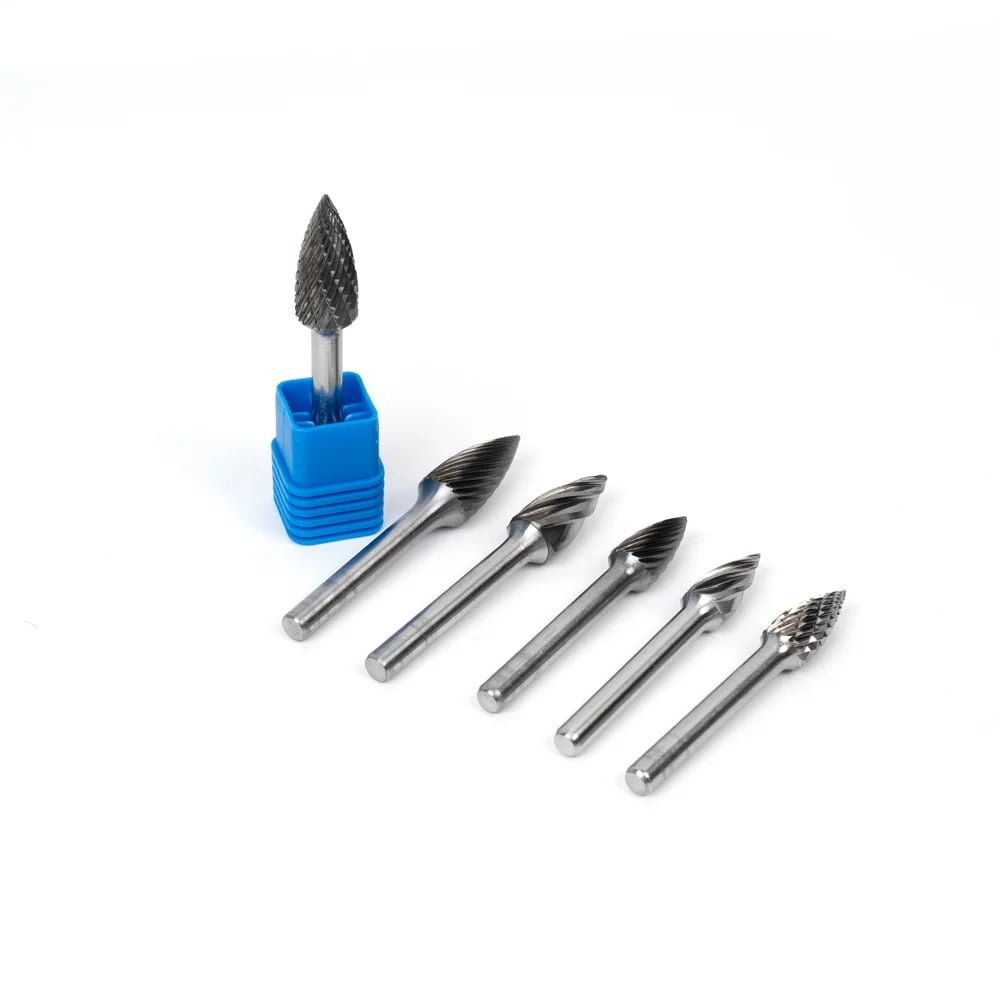
At Joint Carbide, our double-cut carbide burrs typically use M-grade carbides (M20-M30 range) because they balance toughness and wear resistance for machining stainless steel and high-temperature alloys. When requesting material certificates, specify the ISO 513 grade you require—this prevents suppliers from substituting cheaper alternatives.
Chemical Composition Analysis Requirements
Legitimate chemical composition certificates should include:
Tungsten Carbide Content
- Total tungsten carbide percentage (typically 88-94% for standard grades)
- Testing method used (X-ray fluorescence spectroscopy, inductively coupled plasma spectroscopy)
- Acceptable range tolerances (usually ±0.5% for premium grades)
Cobalt Binder Analysis
- Cobalt percentage (directly affects toughness vs. hardness trade-off)
- Purity verification showing contaminant levels
- Free carbon content (excess carbon creates eta phase defects that reduce toughness)
Impurity Documentation
- Iron content (should be <0.5% to prevent corrosion sensitivity)
- Oxygen content (indicates powder handling quality)
- Other trace elements that affect performance
Request test results from accredited laboratories—look for ISO 17025 certification on the lab report itself. Generic "typical analysis" charts without specific batch testing are red flags.
Hardness Testing Verification
Carbide hardness directly correlates with wear resistance. Proper hardness certificates must specify:
Testing Standard Used
- Rockwell A scale (HRA) is standard for carbide materials
- Vickers hardness (HV30) sometimes used for cross-verification
- Test conditions including load and dwell time
Measurement Data
- Minimum three measurement points per batch
- Average hardness value with statistical range
- Testing location on the sample (carbide burr head vs. shank)
Conformance Statement
- Specification range being met (e.g., HRA 90.3-91.5 for premium burrs)
- Testing personnel identification
- Calibration status of hardness testing equipment
Premium carbide burrs should achieve HRA 90.3-91.5 for optimal balance. Values below HRA 89.5 indicate insufficient sintering or excess binder; values above HRA 92.0 suggest brittleness risk. If a supplier can't provide batch-specific hardness data, question their quality control capabilities.
Grain Size Analysis Documentation
Tungsten carbide grain size affects both toughness and edge sharpness:
Measurement Methods
- Scanning electron microscopy (SEM) imaging with image analysis
- Linear intercept method per ASTM standards
- Average grain diameter in micrometers
Classification Categories
- Ultra-fine grain: 0.2-0.5 μm (maximum hardness, best edge sharpness)
- Fine grain: 0.5-0.8 μm[^8] (balanced properties for most applications)
- Medium grain: 0.8-1.3 μm (improved toughness for interrupted cuts)
- Coarse grain: 1.3-2.5 μm (maximum toughness, lower wear resistance)
For carbide burrs used in precision applications like jewelry manufacturing or aerospace component finishing, fine grain (0.5-0.8 μm) provides the ideal combination of sharp cutting edges and reasonable durability. Medical device manufacturing might require ultra-fine grain for micro-machining operations.
Performance Testing Beyond Material Properties
Some buyers require functional performance verification beyond static material properties:
Wear Testing Protocols
- Standardized material removal tests (volume of workpiece material removed before tool failure)
- Accelerated wear testing under controlled conditions
- Comparative performance against reference tooling
Edge Quality Verification
- Surface roughness measurement of cutting edges
- Edge radius consistency testing
- Chip evacuation efficiency assessment
Thermal Stability Testing
- High-temperature hardness retention
- Thermal shock resistance for interrupted cutting
- Oxidation resistance at elevated temperatures
These performance tests are expensive—typically costing $500-3,000 per sample series. Large procurement contracts justify the investment; smaller orders usually rely on material property certification alone.
What Documentation Should B2B Procurement Teams Request During Supplier Qualification?
Over the years at Joint Carbide, I've assembled comprehensive supplier qualification packages for customers ranging from small machine shops to multinational corporations. The difference between a smooth qualification process and months of delays usually comes down to requesting the right documents upfront.
B2B procurement teams should request a minimum documentation package including: valid ISO 9001 certificate with scope statement, industry-specific certifications relevant to the application sector, material test reports for the specific product grade being purchased, dimensional inspection reports showing conformance to drawing specifications, calibration certificates for measurement equipment used in production, process flow diagrams showing manufacturing steps and quality checkpoints, and supplier declaration of conformity statements. This documentation enables purchasing departments to complete internal supplier approval workflows and satisfy audit requirements from regulatory bodies or end customers.
Essential Certification Documents
Start your supplier qualification file with these foundational documents:
Quality Management System Certificates
- ISO 9001:2015 certificate (verify it's current and not expired)
- Certification body accreditation proof (e.g., ANAB, UKAS, DAkkS)
- Scope statement confirming it covers tungsten carbide tool manufacturing
- Most recent surveillance audit report or summary (shows active compliance)
Industry-Specific Certifications
- AS9100, IATF 16949, ISO 13485, or other relevant standards
- Customer-specific supplier approvals (if applicable to your industry)
- Registration numbers for regulatory compliance (RoHS, REACH, etc.)
Environmental and Safety Certifications
- ISO 14001 environmental management certificate
- ISO 45001 or OHSAS 18001 safety management certificate
- Waste disposal permits for carbide grinding sludge and scrap recycling
- Hazardous material handling licenses
Request annual renewals of time-limited certifications. I maintain a spreadsheet tracking certification expiration dates for all Joint Carbide customers who've qualified us—this prevents supply disruptions when certificates need renewal.
Product-Specific Technical Documentation
Beyond general certifications, request documents specific to the carbide tools you're procuring:
Material Composition Certificates
[^1]: "ISO 9000 family - Wikipedia", https://en.wikipedia.org/wiki/ISO_9000_family. ISO 9001 is an internationally recognized standard that specifies requirements for quality management systems, enabling organizations to demonstrate their ability to consistently provide products and services that meet customer and regulatory requirements. Evidence role: definition; source type: institution. Supports: the official scope and purpose of ISO 9001 certification for quality management systems. [^2]: "AS9100", https://en.wikipedia.org/wiki/AS9100. AS9100 is a widely adopted quality management standard for the aerospace industry that supplements ISO 9001 requirements with additional controls for risk management, configuration management, and product safety specific to aviation, space, and defense manufacturing. Evidence role: definition; source type: institution. Supports: the official requirements and scope of AS9100 certification for aerospace suppliers. [^3]: "IATF 16949 - Wikipedia", https://en.wikipedia.org/wiki/IATF_16949. IATF 16949 is a technical specification that harmonizes global automotive quality management system requirements, building upon ISO 9001 with automotive-specific requirements for defect prevention, supply chain management, and continuous improvement. Evidence role: definition; source type: institution. Supports: the official scope and requirements of IATF 16949 for automotive industry suppliers. [^4]: "EMS Under ISO 14001 | US EPA", https://www.epa.gov/ems/ems-under-iso-14001. ISO 14001 specifies requirements for an environmental management system that organizations can use to enhance environmental performance through more efficient resource use and waste reduction. Evidence role: definition; source type: institution. Supports: the official purpose and scope of ISO 14001 certification for environmental management. [^5]: "Key Facts: ISO Accreditation", http://www.fsis.usda.gov/science-data/laboratories-procedures/accredited-laboratory-program/key-facts-iso-accreditation. ISO/IEC 17025 is the international standard for testing and calibration laboratory competence, specifying general requirements for demonstrating technical competency and producing valid results. Evidence role: definition; source type: institution. Supports: the official requirements and purpose of ISO/IEC 17025 for testing and calibration laboratories. [^6]: "RoHS - Wikipedia", https://en.wikipedia.org/wiki/RoHS. The EU RoHS Directive restricts the use of specific hazardous materials in electrical and electronic equipment, with compliance required for market access in European Economic Area countries. Evidence role: general_support; source type: government. Supports: the scope and purpose of RoHS (Restriction of Hazardous Substances) regulations in the European Union. Scope note: RoHS primarily targets electrical and electronic equipment; its applicability to tungsten carbide tools depends on whether they contain restricted substances in regulated equipment categories [^7]: "EU REACH", https://www.trade.gov/eu-reach. REACH (Registration, Evaluation, Authorisation and Restriction of Chemicals) is an EU regulation requiring manufacturers and importers to register chemical substances, evaluate their properties and risks, and communicate safety information through the supply chain. Evidence role: general_support; source type: government. Supports: the regulatory framework and requirements of REACH for chemical substance registration in the European Union. Scope note: specific registration obligations depend on whether tungsten carbide qualifies as a substance requiring registration under REACH thresholds and exemption categories [^8]: "Effects of Processing Parameters on the Microstructure ... - PMC", https://pmc.ncbi.nlm.nih.gov/articles/PMC9267382/. Tungsten carbide materials are commonly classified by grain size, with fine-grain grades typically ranging from approximately 0.5 to 1.0 micrometers, offering improved hardness and edge sharpness compared to medium and coarse-grain grades. Evidence role: general_support; source type: research. Supports: standard grain size classifications for tungsten carbide materials. Scope note: exact grain size boundaries for classification categories vary among manufacturers and applications; the 0.5-0.8 μm range represents one common specification rather than a universally standardized definition